Gaps in Radiologists' Knowledge: The Imperative for Specialized Contrast Supervision
Discover the critical findings from a 2009 survey that shed light on radiologists' knowledge gaps regarding the management of severe contrast-induced allergic reactions. This study highlights the deficiencies in radiologists' understanding of epinephrine use, including dosage, concentration, and administration routes. The importance of specialized contrast supervision in enhancing patient safety becomes evident as we delve into the survey results.

Tether Supervision
Contrast Reactions and Exams
In the ever-evolving field of radiology, precision and patient safety are paramount. Ensuring the proper management of severe contrast material-induced allergic reactions is a critical aspect of this commitment to patient well-being. A 2009 study, "Survey of Radiologists’ Knowledge Regarding the Management of Severe Contrast Material–induced Allergic Reactions," sheds light on the knowledge and preparedness of radiologists in handling such emergencies.
Surveying Radiologists' Knowledge
The study, conducted by Lightfoot CB et al. from Dalhousie University, Nova Scotia, Canada, and other institutions, aimed to evaluate radiologists' knowledge of the appropriate management of severe contrast material-induced allergic reactions through a telephone survey. The researchers sought to assess the readiness of radiologists in Canada's 13 English-speaking and 13 U.S. university-affiliated radiology departments.
Assessing Response to Clinical Scenario
Radiologists participating in the survey were presented with a critical clinical scenario: an adult patient receiving iodinated contrast experiences a severe allergic reaction, characterized by stridor, severe respiratory distress, angioedema, and diffuse urticaria. They were then asked to specify their choice of initial medication, dose, concentration, and route of administration for this emergency situation.
Alarming Findings
The results of the survey painted a concerning picture. While 91% of surveyed radiologists chose epinephrine as the initial medication, no radiologist provided the ideal response. Alarmingly, no radiologist gave the ideal response, only 41% offered an acceptable administration route, concentration, and dose, and 17% provided an overdose. Equally worrisome was the fact that only 11% of radiologists were aware of the epinephrine concentration available in their drug kit or crash cart and the necessary equipment for administration.
Implications for Contrast Supervision
The study's conclusion is stark and unequivocal: "Radiologists’ knowledge of epinephrine for the management of severe contrast material–induced allergic reactions is deficient." This finding raises significant concerns about the readiness of radiologists to handle contrast-related emergencies effectively.
The Call for Specialized Contrast Supervision
This study serves as a compelling reminder of the critical importance of specialized contrast supervision. Ensuring that healthcare professionals possess the knowledge, skills, and resources to manage severe allergic reactions during contrast-enhanced procedures is paramount. Radiologists, alongside their healthcare teams, must prioritize ongoing training and preparedness to guarantee patient safety and uphold the highest standards of care in the field of diagnostic imaging. The lessons from this survey underscore the need for specialized contrast supervision and the continuous pursuit of excellence in radiological practice.

Take the uncertainty out of contrast supervision.
We’ll support your team every step of the way, from onboarding and training to live supervision and ongoing quality improvement.
Take the uncertainty out of contrast supervision.
We’ll support your team every step of the way, from onboarding and training to live supervision and ongoing quality improvement.
Read more from Tether Supervision
Tether is the leading platform for virtual contrast supervision, built for speed, safety, and seamless imaging operations.
Expert perspectives on safe, efficient contrast workflows and clinical readiness.
Tether is the leading platform for virtual contrast supervision, built for speed, safety, and seamless imaging operations.
Understanding Contrast Media Side Effects: CT & MRI Scan Reactions Explained
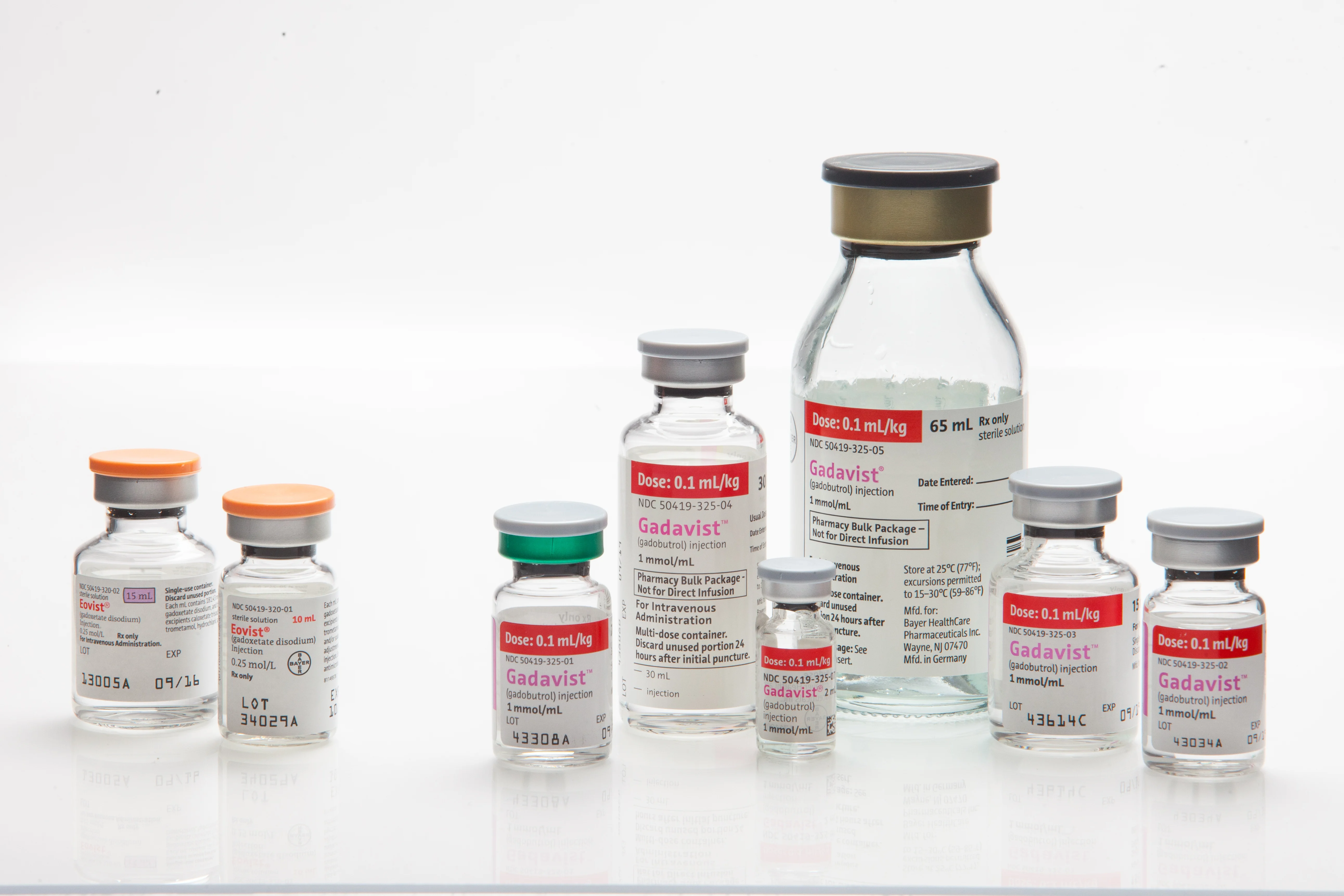
Contrast media, also known as contrast agents or dyes, are chemical substances used in medical imaging to enhance the visibility of specific structures or tissues. They are crucial for improving diagnostic accuracy in CT (computed tomography) and MRI (magnetic resonance imaging) scans. By temporarily altering how X-rays or magnetic fields interact with the body, contrast media help distinguish normal from abnormal conditions, aiding radiologists in identifying diseases, tumors, or blood flow issues. Contrast media vary depending on the imaging modality, with distinct types for CT and MRI scans.
CT Scan Contrast Media (Iodinated)
Iodinated contrast media contain iodine atoms and are primarily used for X-ray-based imaging, including CT scans. They are classified based on several properties:
Ionic vs. Non-ionic: Ionic contrast media dissociate in solution, increasing osmolality, while non-ionic do not, making them safer with fewer side effects. Non-ionic agents are preferred in modern practices
Osmolarity
High-osmolar contrast media (HOCM): have 5–8 times the osmolality of plasma, with higher reaction rates (6%–8% for mild to moderate reactions)
Low-osmolar contrast media (LOCM): have 2–3 times the osmolality of serum, with lower reaction rates (0.2% for mild to moderate).
Iso-osmolar contrast media: match blood osmolality, increasingly used for safety.
Common examples include iohexol and iodixanol, administered intravenously, orally, or rectally depending on the procedure. Research suggests non-ionic, low-osmolar agents reduce adverse reactions, as noted in Iodinated Contrast Media.
MRI Scan Contrast Media (Gadolinium-based)
Gadolinium-based contrast media are used for MRI scans, leveraging gadolinium’s paramagnetic properties to enhance image contrast. They are categorized as:
Linear vs. Macrocyclic: Linear agents have a linear chemical structure, while macrocyclic agents have a more stable, ring-like structure. Macrocyclic agents are less likely to release free gadolinium, reducing retention risks, as highlighted in MRI Contrast Agents.
Ionic vs. Non-ionic: Ionic agents dissociate in solution, while non-ionic do not, with safety profiles varying.
Examples include gadopentetate dimeglumine (linear, ionic) and gadoteridol (macrocyclic, non-ionic). The choice depends on patient factors, with macrocyclic agents often recommended for patients with kidney concerns due to lower retention risk.
Potential Side Effects and Reactions
Both types of contrast media can cause side effects, ranging from mild to severe, with differences in frequency and nature.
Side Effects of CT Contrast (Iodinated)
Mild Side Effects: Patients may experience warmth at the injection site, nausea, vomiting, or a metallic taste in the mouth. These are typically transient and resolve without treatment, as noted in Patient Safety - Contrast Material.
Allergic Reactions: These can range from mild (hives, itching) to severe (difficulty breathing, anaphylaxis). Anaphylactoid reactions, not IgE-mediated, are more common with HOCM, with an incidence of 0.6% for severe reactions, as per Iodinated Contrast Media Adverse Reactions.
Contrast-Induced Nephropathy (CIN): This is a risk, particularly for patients with impaired kidney function, where contrast can worsen kidney function. The risk increases from 0.5% to 1.5% in patients without cancer and without chronic kidney disease (CKD), as per Iodinated Contrast Medium.
Late adverse reactions, occurring hours to days post-administration, include nausea, headache, skin rash, and fever, with an incidence of approximately 2%, often unrelated to the contrast itself, as per Late Adverse Reactions.
Side Effects of MRI Contrast (Gadolinium-based)
Mild Side Effects: Common reactions include injection site pain, headache, nausea, itching, rash, and dizziness, occurring in a small minority, typically within minutes of injection, as noted in Gadolinium Contrast Medium.
Allergic Reactions: Rare, but possible, with symptoms like hives and itchy eyes. Severe reactions are less common than with iodinated contrast, with an incidence of acute allergic-like reactions at 0.04% for aggressive cases, as per Frequency and Severity of Acute Allergic-Like Reactions.
Gadolinium Retention: A significant concern, with gadolinium depositing in the brain and other tissues, potentially for months to years. This has led to conditions like nephrogenic systemic fibrosis (NSF) in patients with severe kidney disease, and gadolinium deposition disease (GDD) in others, with symptoms like pain and fatigue. The FDA requires warnings, as per FDA Drug Safety Communication.
Research continues on long-term effects, with no definitive harm found yet, but vigilance is advised, especially for patients with kidney issues, as per NCHR Report.
Comparison of Side Effects and Reactions
To facilitate understanding, here’s a table comparing the side effects and reactions of CT and MRI contrast media:
Aspect | CT Contrast (Iodinated) | MRI Contrast (Gadolinium-based) |
|---|---|---|
Mild Side Effects | Warmth, nausea, metallic taste | Headache, nausea, dizziness |
Allergic Reactions | More common, hives to anaphylaxis (rare, 0.6% severe) | Rare, hives, itchy eyes (0.04% severe) |
Kidney-Related Risks | Contrast-induced nephropathy, higher in kidney disease | Nephrogenic systemic fibrosis in severe kidney disease |
Long-term Concerns | Minimal, mainly acute reactions | Gadolinium retention, potential long-term effects |
Risk Factors | History of reactions, asthma, kidney disease | Kidney disease, prior reactions, atopy |
Allergic Reactions: Iodinated contrast media have a higher incidence of allergic-like reactions, with premedication (e.g., corticosteroids) reducing risk, as per Contrast Medium Reactions. Gadolinium reactions are less frequent, but cross-reactivity exists, meaning patients with a history of iodinated contrast reactions may be at risk, as per Contrast Reaction Raises Contrast Risk.
Kidney Function: Iodinated contrast poses a significant risk of CIN, especially in cancer patients or those with CKD, with risk increasing post-administration, as per Iodinated Contrast Medium. Gadolinium, while safer for kidneys, can cause NSF in severe cases, with retention a concern regardless of kidney function, as per Contrast Caution.
Long-term Effects: Gadolinium retention is a unique concern for MRI contrast, with studies showing deposition in the brain correlated with lower verbal fluency, as per MRI Contrast Agent. Iodinated contrast has minimal long-term effects, focusing on acute reactions.
An interesting detail is that seafood allergy, often mislinked to iodine, doesn’t directly increase contrast reaction risk, but atopy (like asthma) does, which patients should discuss with their doctors, as per Contrast Dye Allergy.
Patient Preparation and Management
To minimize risks, patients should:
Inform Your Doctor: Disclose any allergies, previous reactions to contrast media, kidney disease, or asthma history. This helps in selecting the appropriate contrast type and considering premedication, as per Safe Use of Contrast Media.
Hydration: Drink plenty of fluids before and after the scan to help eliminate contrast media, reducing kidney strain, especially for iodinated contrast, as per Patient Safety - Contrast Material.
Monitoring: Be alert for symptoms post-scan, such as rash, breathing difficulties, or pain, and seek immediate medical attention if severe. For gadolinium, discuss long-term monitoring if retention is a concern, as per The Debate Over Gadolinium MRI Contrast Toxicity
Conclusion
Understanding the side effects and reactions of contrast media is essential for patients undergoing CT or MRI scans. While both types are generally safe, with severe reactions rare, individual risks vary based on health history. Iodinated contrast is more likely to cause allergic reactions and kidney issues, while gadolinium-based contrast has concerns about retention. Patients should discuss their concerns with healthcare providers for personalized guidance, ensuring informed decisions and safe imaging experiences.
This note is based on current research as of February 27, 2025, and should not replace professional medical advice. For further reading, explore RadiologyInfo, NCBI, and FDA.
Responding to Contrast Reactions: A Patient's Guide
Medical imaging procedures often involve the use of contrast agents to obtain clearer and more detailed images. While these procedures are generally safe, there is a small possibility of experiencing what is known as a contrast reaction. This guide is designed to provide you with information on what contrast reactions are, how to manage them, and what to do if you experience one during or after your imaging procedure.
What Are Contrast Reactions?
Contrast reactions are rare and typically occur when a contrast agent is used during certain medical imaging tests. These reactions are categorized into three types:
Mild Reactions: The most common type, these reactions may include sensations like warmth, a metallic taste in the mouth, mild nausea, or a feeling of flushing or warmth throughout the body.
Moderate Reactions: Less common than mild reactions, these may involve symptoms such as hives, itching, mild rashes, or a sense of anxiety or nervousness.
Severe Reactions: Extremely rare, severe reactions can lead to symptoms like difficulty breathing, a rapid or irregular heartbeat, swelling of the throat or face, or a severe rash. Immediate medical attention is required for severe reactions.
What to Expect During Your Procedure
Your medical team is well-trained to handle any potential contrast reactions. They will closely monitor you throughout the procedure to ensure your safety. If you experience mild or moderate reactions, your medical team will promptly address them to make you as comfortable as possible.
If You Experience a Contrast Reaction
While rare, it's possible to experience a contrast reaction during or after a medical imaging procedure. If you suspect you're having a reaction, here's what to do:
Stay Calm: Try to remain calm. Panic can exacerbate symptoms.
Notify the Staff: Use the call button or inform the technologist or nurse present during the procedure. They will assess your condition and take appropriate action.
Seek Prompt Medical Attention: Depending on the severity of your reaction, the healthcare team may administer medications or other interventions to alleviate your symptoms. In severe cases, they may initiate life-saving measures. You are in capable hands.
Inform About Allergies: If you have known allergies or have experienced contrast reactions before, inform your healthcare provider before the procedure. Your safety is their priority.
Physician Intervention: In the rare event of a severe contrast reaction, such as severe difficulty breathing, swelling of the throat or face, chest pain, severe abdominal pain, seizures, or loss of consciousness, your healthcare team is trained to respond swiftly and effectively. They will initiate life-saving measures and provide immediate medical attention.
Post-Reaction Evaluation: After managing the reaction, your healthcare team will monitor you closely to ensure your symptoms have resolved and that you are stable before proceeding with the imaging procedure, if necessary.
Documentation: Details of the reaction, including symptoms, medications administered, and your response to treatment, will be documented in your medical records for future reference.
Post-Reaction Consultation: Depending on the nature and severity of the reaction, your healthcare provider may discuss alternative imaging options or recommend additional tests to ensure your safety.
It's important to remember that severe contrast reactions are exceptionally rare. Healthcare facilities are well-equipped to handle such situations swiftly and effectively. Your health and well-being are their top priorities, and they are committed to ensuring a safe and comfortable experience during your medical imaging procedure.
Symptom Control
If you experience mild or moderate symptoms during the procedure, rest assured that these reactions are usually short-lived and manageable. Your healthcare provider will take steps to help you, which may include:
Hydration: You may receive intravenous (IV) fluids to help flush the contrast agent from your system.
Medications: Your provider may administer medications to alleviate symptoms like itching or nausea.
Monitoring: You will be closely monitored until your symptoms have resolved.
Cold Compress: For symptoms like itching, a mild rash, or warmth, you can apply a cold compress to the affected area. It can help soothe discomfort.
What to Follow After a Discharged Reaction
In the rare event that you experience a mild contrast reaction successfully managed by your healthcare team, here are some steps to follow after discharge:
Stay Nearby: Remain in the facility for a short period as advised. This allows the medical team to monitor you for any delayed or recurring symptoms.
Observe at Home: Continue self-monitoring for any unusual symptoms after returning home. Pay attention to changes in your skin, breathing, or overall well-being.
Stay Hydrated: Drinking fluids helps flush the contrast material out of your system and may alleviate mild symptoms.
Rest: Give your body time to recover. Avoid strenuous activities for the remainder of the day if you feel fatigued.
If your symptoms worsen after discharge or if you experience new or concerning symptoms, don't hesitate to contact your healthcare provider. They are there to assist you and will guide you on the next steps to take. Follow any prescribed medications and attend any scheduled follow-up appointments.
Return Precautions
While severe reactions are exceptionally rare, it's essential to be aware of return precautions. If you experience any of the following symptoms after leaving the healthcare facility, contact your healthcare provider or seek immediate medical attention:
Severe difficulty breathing
Swelling of the throat or face
Chest pain
Severe abdominal pain
Seizures
Loss of consciousness
Who to Contact
If you experience mild or moderate symptoms during or after your procedure, inform your medical team immediately. They are trained to respond quickly and effectively to ensure your comfort and safety.
For any concerns or questions about contrast reactions, please don't hesitate to contact your healthcare provider or the facility where you had the procedure. Your well-being is their top priority, and they are here to support you throughout your medical imaging journey. If you are at a facility where Tether Supervision is providing direct supervision, feel free to contact your CCT physician.
Remember, contrast reactions are uncommon, and medical professionals are well-prepared to manage them. Your procedure is a valuable tool in diagnosing and treating your medical condition, and your safety is our utmost concern. We want you to feel informed and reassured as you undergo your medical imaging journey. If you have any further questions or concerns about contrast reactions or any aspect of your procedure, please don't hesitate to reach out to your healthcare provider. Your health and well-being are at the heart of everything we do, and we are here to support you every step of the way.
We wish you a smooth and comfortable imaging procedure!
Want to learn more? Read out patient primer on contrast media.

ROI: How After-Hours Contrast Imaging Improves Access, Satisfaction, and Health Outcomes
Expanding imaging hours to include evening and weekend appointments is a major vector for imaging centers looking to increase patient volume, improve access, and enhance care quality. In addition to the financial upside, there are significant patient-centric benefits that after-hours contrast enables. Many patients face barriers to scheduling during traditional hours, whether due to work schedules, transportation challenges, or family responsibilities.
Offering after-hours contrast-enhanced imaging not only helps capture a broader patient base but also reduces no-shows, improves patient satisfaction, and leads to earlier diagnoses. With remote contrast supervision solutions like Tether Supervision, imaging centers can extend service hours safely and efficiently, ensuring compliance while optimizing workflow and revenue.
Here's how after hours can improve the patient care at your imaging centers:
Increased Utilization by Underserved Populations
Reduce Barriers for Care - After-hours appointments increase accessibility for individuals with fixed work schedules, transportation barriers, and language barriers.
Underserved Populations Benefit Most - Studies show that racial minorities, non-English speakers, and lower-income patients are significantly more likely to utilize evening and weekend imaging appointments.
Expand Patient Base - Expanding hours allows centers to capture a patient base that otherwise might delay or forgo essential imaging, reducing the risk of missed diagnoses and worsening clinical outcomes.
Access to essential medical imaging can be a major challenge for many individuals, particularly those with fixed work schedules, transportation barriers, and language differences. Expanding the availability of after-hours imaging appointments—during evenings and weekends—can significantly improve access for these populations and help prevent delayed or missed diagnoses.
Studies have consistently shown that racial minorities, non-English speakers, and lower-income patients are more likely to take advantage of imaging appointments offered outside traditional business hours. Research by Rossi et al. (2023) and Miles et al. (2022) found that these groups disproportionately rely on evening and weekend imaging, underscoring the need for more flexible scheduling to ensure equitable access to radiology services.1,2 Without these expanded options, many patients may forgo essential imaging due to work constraints, lack of transportation, or other logistical challenges, leading to worsened health outcomes.
Lung cancer screening serves as a powerful example of this disparity. A 2023 study by Maki et al. revealed that almost double the number African American individuals reported difficulty scheduling lung cancer screenings, compared to White individuals.3 Similarly, transportation barriers were reported by 11.1% of African American respondents, compared to only 3.6% of White respondents. These disparities suggest that individuals from underserved communities face greater structural barriers to timely care, which can contribute to late diagnoses and poorer prognoses. By offering after-hours cancer screenings, healthcare providers can make it easier for patients to schedule crucial tests at times when family members or friends may be available to assist with transportation and support.
Multiple other studies have found that minority populations and individuals with public insurance are disproportionately more likely to miss or cancel outpatient imaging appointments scheduled during regular business hours.4–7 Authors in these studies cited obstacles such as lower income, job insecurity, and workplace policies that do not provide flexibility for medical appointments. When essential imaging is inaccessible due to rigid scheduling, the consequences can be severe, potentially delaying critical diagnoses and interventions.
Ultimately, the data suggest that extending outpatient imaging hours is a practical and effective way to improve healthcare access, particularly for underserved populations. By accommodating the realities of patients’ lives—whether that means offering appointments outside standard work hours or addressing transportation challenges—healthcare systems can reduce disparities in medical imaging utilization and help ensure that all patients receive timely, essential care. Given the persistent inequities in healthcare access, implementing after-hours imaging services is a meaningful step toward closing the gap and improving health outcomes across diverse communities
Heightened Patient Satisfaction
After-Hours Imaging Enhances Satisfaction – Offering after-hours imaging appointments improves patient satisfaction by increasing accessibility and accommodating those with rigid schedules.
Satisfaction Correlates with Higher Patient Volume – Higher patient volumes in imaging centers correlate with improved satisfaction scores.
Logistical Convenience is Key - Studies highlight logistical convenience, including flexible scheduling and helpful staff, is a key driver of patient satisfaction in radiology settings.
Patient satisfaction plays a crucial role in healthcare, influencing both patient retention and the overall success of medical facilities. When it comes to radiology and outpatient imaging, accessibility and convenience are key factors in shaping a positive patient experience. Research shows that offering after-hours imaging appointments—during evenings and weekends—can significantly enhance patient satisfaction by providing greater flexibility and reducing logistical barriers.
A survey conducted at the C.T. Scanning Unit at the Royal Infirmary in Edinburgh, Scotland, demonstrated that a notable 20% of patients expressed a preference for evening appointments between 6:00 PM and 8:00 PM.8 Additionally, 78% of those surveyed stated they would accept an evening appointment if offered. As shown in other studies, this preference may be larger in certain populations as well.1–6 This early insight into patient preferences underscores the demand for extended imaging hours, particularly among individuals with rigid work schedules or other daytime commitments.
More recent studies further confirm this trend. North et al. found that nearly a quarter (24.4%) of self-scheduled imaging examinations took place after normal business hours or on weekends, emphasizing the strong demand for non-traditional appointment times.9 This growing preference for flexible scheduling reflects a broader shift in patient expectations, where convenience is a driving factor in healthcare decision-making.
Interestingly, an imaging center’s patient volume also correlates with satisfaction levels. A 2022 retrospective study analyzing MRI outpatient visits in a university-affiliated hospital system found that facilities with increasing patient volumes experienced significant improvements in satisfaction scores.10 These improvements spanned multiple domains, including facility experience, staff responsiveness, ease of registration, and overall quality of care. This suggests that offering more appointment availability—including after-hours slots—may not only enhance accessibility but also boost patient satisfaction metrics, ultimately strengthening an imaging center’s reputation.
Logistical convenience plays a critical role in satisfaction. A study by Ajam et al. analyzing Press Ganey survey data from over 69,000 respondents found logistical elements, such as the ease of scheduling and the helpfulness of registration staff, were major determinants of patient satisfaction in radiology settings.11 Given these findings, expanding imaging hours can further improve patient experiences by accommodating diverse schedules, reducing stress associated with appointment access, and ensuring a smoother, more patient-centered care experience.
Ultimately, the availability of after-hours services can significantly enhance patient satisfaction by offering greater flexibility and convenience.9,10,12,13 Patients who cannot attend appointments during regular hours due to work or other commitments may find after-hours services particularly valuable. This increased accessibility can lead to higher patient satisfaction, as it addresses their specific needs and preferences. As satisfaction increases, so does the likelihood of higher patient volume, as satisfied patients are more likely to choose and recommend these services.10,11,14 The convenience of after-hours availability can thus attract a broader patient base, contributing to increased utilization of imaging services.
Improved Health Outcomes:
Timely Imaging Improves Patient Outcomes – Faster access to diagnostic imaging enables earlier detection, reduces unnecessary specialist referrals, and decreases emergency department visits, ultimately improving overall patient care.
Early Detection Saves Lives – Advanced imaging technologies like CT and MRI play a crucial role in detecting cancers such as lung, breast, liver, and prostate cancer at earlier stages, significantly improving survival rates and treatment outcomes.
Expanding Imaging Access Reduces Healthcare Strain – Increasing imaging availability, including after-hours services and physician coverage for contrast studies, enhances health equity, prevents late-stage disease, and alleviates pressure on emergency departments and specialists.
Timely access to diagnostic imaging plays a crucial role in improving patient outcomes by enabling earlier detection, reducing unnecessary specialist referrals, and minimizing emergency department (ED) visits. Research has shown that when health systems have direct access to outpatient imaging, diagnoses are made more quickly, hospital referrals decrease, and overall patient care quality improves 15–17. A streamlined referral system not only enhances efficiency but also helps patients receive the right care at the right time.
Studies indicate that direct access to imaging is both cost-effective and effective in diagnosing health conditions earlier.18 Faster imaging access reduces delays in treatment initiation, improving disease management and long-term health outcomes. In particular, research has demonstrated that after implementing direct imaging referral pathways, the number of patients sent to emergency departments dropped significantly, highlighting the role of early diagnosis in preventing medical crises and hospital overcrowding.19
Cancer detection is one of the most critical areas where improved access to imaging has a direct impact on survival rates.
Lung Cancer: As the leading cause of cancer-related deaths in the United States, lung cancer claims nearly 150,000 lives each year. While chest X-rays can detect tumors, by the time a tumor reaches a detectable size, the disease is often already in an advanced stage, reducing the effectiveness of treatment. Increased accessibility and utilization of CT scans have significantly improved early detection, allowing doctors to identify tumors as small as a grain of rice. Compared to traditional chest X-rays, CT screening reduces lung cancer deaths by 20%, and the American Cancer Society estimates that widespread adoption of this technology among high-risk populations could save 12,000 lives annually.20
Breast Cancer: The National Breast Cancer Foundation reports that when detected early, the survival rate for breast cancer patients is 98%. However, for some women—particularly those with dense breast tissue—standard mammography alone may miss tumors. Contrast enhanced MRI can help identify small breast cancers that may be difficult to see on conventional imaging.21
Liver Cancer: Contrast-enhanced CT scans are essential for detecting liver tumors and assessing their spread to surrounding blood vessels. These scans allow for better tumor characterization and help guide treatment decisions, such as liver resection or transplant eligibility.22 Early detection of hepatocellular carcinoma (HCC) through contrast-enhanced imaging significantly improves prognosis by enabling timely intervention.23
Prostate Cancer: Contrast-enhanced MRI is often used to accurately assess the size and location of prostate tumors. This provides greater sensitivity for detecting clinically significant prostate cancer and helps distinguish aggressive tumors from slow-growing ones, reducing unnecessary biopsies.24 Early prostate cancer detection with MRI has been shown to improve treatment outcomes and reduce overtreatment of indolent tumors.
Ultimately, increasing access to advanced imaging services leads to earlier disease detection, better treatment outcomes, and reduced strain on emergency departments and specialist services. Expanding imaging availability—through after-hours services, or increasing physician coverage for contrast studies—plays a critical role in saving lives and improving health equity. By prioritizing timely and convenient access to diagnostic imaging, healthcare systems can significantly enhance patient outcomes and reduce the burden of late-stage disease treatment.
References:
1. Miles RC, Lehman CD, Chou SHS, et al. Patient Sociodemographic Characteristics Associated With Saturday Breast Imaging Clinic Utilization. J Breast Imaging. 2022;4(4):378-383. doi:10.1093/jbi/wbac035
2. Rossi J, Mullen LA, Oluyemi ET, et al. Patient Utilization of Weekend and Evening Appointments for Screening Mammography: An 8-Year Observational Cohort Study. J Am Coll Radiol. 2024;21(10):1657-1667. doi:10.1016/j.jacr.2024.04.029
3. Maki KG, Talluri R, Toumazis I, Shete S, Volk RJ. Impact of U.S. Preventive Services Task Force lung cancer screening update on drivers of disparities in screening eligibility. Cancer Med. 2023;12(4):4647-4654. doi:10.1002/cam4.5066
4. Mieloszyk RJ, Rosenbaum JI, Hall CS, Hippe DS, Gunn ML, Bhargava P. Environmental Factors Predictive of No-Show Visits in Radiology: Observations of Three Million Outpatient Imaging Visits Over 16 Years. J Am Coll Radiol. 2019;16(4):554-559. doi:10.1016/j.jacr.2018.12.046
5. Glover M, Daye D, Khalilzadeh O, et al. Socioeconomic and Demographic Predictors of Missed Opportunities to Provide Advanced Imaging Services. J Am Coll Radiol. 2017;14(11):1403-1411. doi:10.1016/j.jacr.2017.05.015
6. Moses RA, Dagrosa LM, Hyams ES, Steinberg PL, Pais VM. Failing to follow up: predicting patients that will “no-show” for medically advised imaging following endourologic stone surgery. Can J Urol. 2013;20(5):6939-6943.
7. O. AlRowaili M, Ahmed AE, Areabi HA. Factors associated with No-Shows and rescheduling MRI appointments. BMC Health Serv Res. 2016;16(1):679. doi:10.1186/s12913-016-1927-z
8. Gavan DR, Moore J, Best JK. A survey of patient attitudes towards an evening out-patient appointment. Health Bull (Edinb). 1995;53(2):94-98.
9. North F, Nelson EM, Buss RJ, Majerus RJ, Thompson MC, Crum BA. The Effect of Automated Mammogram Orders Paired With Electronic Invitations to Self-schedule on Mammogram Scheduling Outcomes: Observational Cohort Comparison. JMIR Med Inform. 2021;9(12):e27072. doi:10.2196/27072
10. Ajam AA, Lang EV, Nguyen XV. Does Patient Satisfaction Drive Volumes in Outpatient Magnetic Resonance Imaging? Curr Probl Diagn Radiol. 2022;51(4):497-502. doi:10.1067/j.cpradiol.2021.09.005
11. Ajam AA, Berkheimer C, Xing B, Umerani A, Rasheed S, Nguyen XV. Topics most predictive of favorable overall assessment in outpatient radiology. Jakovljevic M, ed. PLOS ONE. 2023;18(5):e0285288. doi:10.1371/journal.pone.0285288
12. Offman J, Wilson M, Lamont M, et al. A randomised trial of weekend and evening breast screening appointments. Br J Cancer. 2013;109(3):597-602. doi:10.1038/bjc.2013.377
13. Huppe AI, Loving VA, Slanetz PJ, Destounis S, Brem RF, Margolies LR. Optimizing the Patient Experience in Breast Imaging Facilities: AJR Expert Panel Narrative Review. Am J Roentgenol. 2024;223(3):e2329995. doi:10.2214/AJR.23.29995
14. Lucas C, Ethan C. Evaluating the Pros and Cons of Evening and Weekend Outpatient Medical Imaging: Implications for Patients and Radiology Professionals. J Radiol Oncol. 2024;8(2):078-084. doi:10.29328/journal.jro.1001069
15. Ní Shúilleabháin A, O’Kelly M, O’Kelly F, O’Dowd T. Limited options: a report on GP access to services. Ir J Med Sci. 2007;176(1):27-32. doi:10.1007/s11845-007-0006-1
16. Smith CF, Tompson AC, Jones N, et al. Direct access cancer testing in primary care: a systematic review of use and clinical outcomes. Br J Gen Pract. 2018;68(674):e594-e603. doi:10.3399/bjgp18X698561
17. Van Den Berg MJ, Van Loenen T, Westert GP. Accessible and continuous primary care may help reduce rates of emergency department use. An international survey in 34 countries. Fam Pract. 2016;33(1):42-50. doi:10.1093/fampra/cmv082
18. Rua T, Mazumder A, Akande Y, et al. Management of chronic headache with referral from primary care to direct access to MRI compared with Neurology services: an observational prospective study in London. BMJ Open. 2020;10(10):e036097. doi:10.1136/bmjopen-2019-036097
19. Rutten MH, Smits M, Peters YAS, Assendelft WJJ, Westert GP, Giesen PHJ. Effects of access to radiology in out-of-hours primary care in the Netherlands: a prospective observational study. Fam Pract. 2018;35(3):253-258. doi:10.1093/fampra/cmx093
20. The National Lung Screening Trial Research Team. Reduced Lung-Cancer Mortality with Low-Dose Computed Tomographic Screening. N Engl J Med. 2011;365(5):395-409. doi:10.1056/NEJMoa1102873
21. Bakker MF, De Lange SV, Pijnappel RM, et al. Supplemental MRI Screening for Women with Extremely Dense Breast Tissue. N Engl J Med. 2019;381(22):2091-2102. doi:10.1056/NEJMoa1903986
22. European Association for the Study of the Liver. EASL Clinical Practice Guidelines: Management of hepatocellular carcinoma. J Hepatol. 2018;69(1):182-236. doi:10.1016/j.jhep.2018.03.019
23. Forner A, Reig M, Bruix J. Hepatocellular carcinoma. The Lancet. 2018;391(10127):1301-1314. doi:10.1016/S0140-6736(18)30010-2
24. Ahmed HU, El-Shater Bosaily A, Brown LC, et al. Diagnostic accuracy of multi-parametric MRI and TRUS biopsy in prostate cancer (PROMIS): a paired validating confirmatory study. The Lancet. 2017;389(10071):815-822. doi:10.1016/S0140-6736(16)32401-1