Featured on The Skeleton Crew: Our Journey in Contrast Supervision

Featured on The Skeleton Crew: Our Journey in Contrast Supervision

Featured on The Skeleton Crew: Our Journey in Contrast Supervision

Join us for an interview on 'The Skeleton Crew' podcast. Learn more about the deployment of advanced Mobile Contrast Units and our specialized training for technologists. Tune in to see how this innovative approach not only meets but exceeds healthcare standards, significantly enhancing both patient safety and operational efficiency in imaging centers.

Tether Supervision

Nov 27, 2024

Remote Virtual Supervision

Remote Virtual Supervision
Remote Virtual Supervision

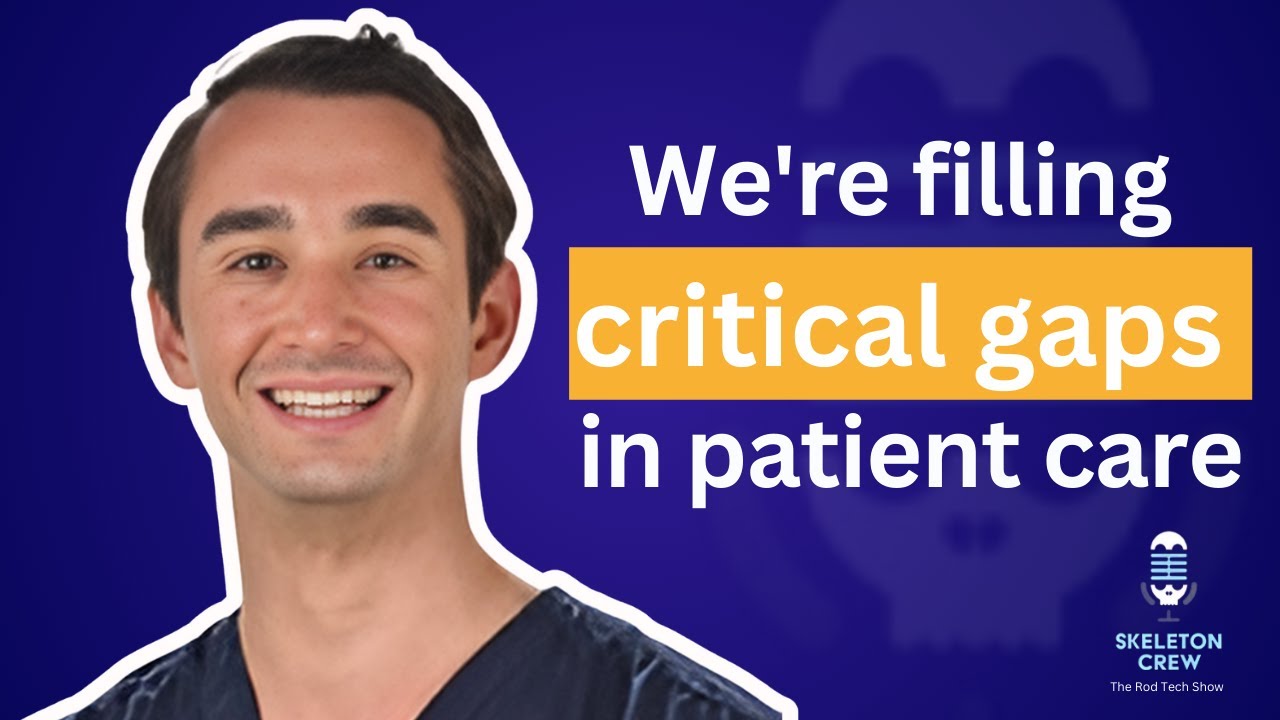
Dr. Zack Timmons discussing Tether Supervision's innovative virtual and on-site contrast supervision services on "The Skeleton Crew" podcast, emphasizing patient safety, expanded service hours, and technologist empowerment.

We recently had the fantastic opportunity to share the Tether Supervision (formerly Contrast Coverage Texas) story on "The Skeleton Crew" podcast, hosted by Jenn Callahan. Our co-founder, Dr. Zack Timmons, joined Jenn to discuss how our company is transforming contrast supervision through innovative virtual and on-site services. This feature allowed us to delve into our origins, operations, and the vital role we play in the radiology field.

How It All Began

The initial idea was simple: provide essential in-person contrast supervision to help supplement immediate financial needs. However, as we learned more about the industry’s challenges, our mission quickly evolved. We recognized a significant gap in service hours at many imaging centers, where contrast supervision was limited, sometimes to as few as 5-10 hours a week.

The shift from in-person to virtual supervision was a game-changer. We adapted to this new model, employing our Mobile Contrast Units (MCUs). These units facilitate real-time audio and visual communication between our physicians and the imaging center technologists, ensuring immediate response during contrast procedures. This technology not only enhances patient safety but also extends operational hours for imaging centers, allowing them to serve more patients efficiently.

Educating and Empowering Technologists

A significant part of the discussion focused on the training and empowerment of technologists and our commitment to thorough training in handling contrast reactions. This preparation ensures technologists are confident and capable, fostering a safer environment for administering contrast media. Our approach has turned potential anxiety into empowerment, significantly enhancing the quality of care.

Addressing a Critical Need

During the podcast, we highlighted the critical need for reliable contrast supervision, especially in outpatient settings where imaging services are increasingly in demand. Our virtual and on-site services are designed to fill this gap, ensuring that every patient receiving contrast media does so under the vigilant supervision of qualified physicians. This is crucial not only for patient safety but also for the legal and regulatory compliance of imaging centers.

Looking Forward

As we continue to expand our services across Texas and beyond, our focus remains on enhancing accessibility to quality imaging services and improving patient outcomes. Our participation in "The Skeleton Crew" podcast was not just an opportunity to discuss what we do; it was a platform to highlight why it matters.

For anyone interested in learning more about virtual contrast supervision or the specifics of our services, we encourage you to listen to the full episode. We are excited about the future and committed to continuing our work at the forefront of medical imaging innovation.

Connect with Us

If you're an imaging center looking for reliable contrast supervision or a professional interested in learning more about our services, please reach out. We're here to provide the support and solutions you need to ensure optimal care for your patients.

Thank you to Jenn Callahan and "The Skeleton Crew" for hosting us, and we look forward to many more such enriching discussions!

You can view the full interview here.

Take the uncertainty out of contrast supervision.

We’ll support your team every step of the way, from onboarding and training to live supervision and ongoing quality improvement.

Take the uncertainty out of contrast supervision.

We’ll support your team every step of the way, from onboarding and training to live supervision and ongoing quality improvement.

Take the uncertainty out of contrast supervision.

We’ll support your team every step of the way, from onboarding and training to live supervision and ongoing quality improvement.

Read more from Tether Supervision

Tether is the leading platform for virtual contrast supervision, built for speed, safety, and seamless imaging operations.

Expert perspectives on safe, efficient contrast workflows and clinical readiness.

Tether is the leading platform for virtual contrast supervision, built for speed, safety, and seamless imaging operations.

Steps for imaging centers to smoothly transition to virtual contrast supervision through clear planning, hands-on training, empowering onsite leaders, and maintaining open feedback.

How Imaging Centers Can Ensure a Smooth Transition to Virtual Contrast Supervision

Smooth transitions start on the ground.

When imaging centers decide to implement virtual contrast supervision or on-site contrast supervision, success doesn’t come from technology alone. It comes from people: the technologists, administrators, and radiologists who bring those tools to life every day.

At Tether, we’ve guided dozens of imaging centers through this transition. What we’ve seen again and again is that prepared and supported teams make all the difference.

Here are a few key lessons we’ve learned while helping frontline staff move from planning and kickoff to confident, live supervision.

1. Start with Clear Planning and Communication

Change can create uncertainty. The best antidote is transparency.

Before launching virtual supervision, successful centers:

  • Communicate the “why” — explaining how virtual oversight improves access, efficiency, and patient safety.

  • Share a clear timeline for rollout, with milestones staff can anticipate.

  • Involve technologists and onsite staff in early planning, so they feel ownership in the process rather than being handed a finished solution.

When teams understand what’s happening, and why it matters, adoption happens faster.

2. Invest in Hands-On Training

Technology and protocols are only as strong as the people using them. That’s why training is not optional; it’s the foundation.

We’ve found the most effective approach combines:

  • Scenario-based contrast reaction training (with ACR-aligned protocols)

  • Live demonstrations of the virtual supervision platform

  • Dry runs of patient workflows, including escalation drills

When technologists get the chance to rehearse responses in a safe environment, they build the confidence they’ll need when real situations arise.

3. Empower Onsite Leaders

Transitions go smoother when there’s a “go-to” person at the center. Identifying a lead technologist or site champion helps:

  • Reinforce best practices day-to-day

  • Answer quick workflow questions

  • Provide feedback to radiologists and administrators

We’ve seen this role accelerate adoption, bridge communication gaps, and keep teams motivated during rollout.

4. Pair Support with Accountability

A smooth transition doesn’t mean skipping accountability. Teams do best when they know they’re supported — and also when expectations are clear.

That means:

  • Setting consistent documentation requirements

  • Aligning on who escalates when issues arise

  • Reviewing early cases together to refine protocols

This balance keeps everyone on track without creating fear of failure.

5. Maintain Open Feedback Loops

The first few weeks of live supervision are critical. Successful centers keep the lines of communication wide open, asking technologists:

  • What’s working well?

  • What feels confusing or slow?

  • What additional support would help?

We recommend weekly check-ins during the first 30 days, followed by structured feedback at 60 and 90 days. This creates a rhythm of continuous improvement and ensures teams feel heard.

From Disruption to Upgrade

Virtual contrast supervision doesn’t have to feel like a disruption. With the right preparation, training, and ongoing support, it becomes an upgrade: a safer, more flexible way to deliver patient care.

At Tether, we’ve seen the difference: when frontline teams feel confident, radiologists feel supported, and patients receive timely care without compromise.

That’s not just a smooth transition. That’s lasting change.

Ready to learn more?

See how Tether Supervision helps imaging centers implement virtual contrast supervision with confidence, compliance, and safety built in. Contact us today.

Diagram illustrating the benefits of permanent remote imaging supervision, including enhanced workflows, expanded access, and technology readiness, as endorsed by Radsource and supported by CMS's CY 2026 Proposed Rule.

Radsource Endorses Permanent Remote Imaging Supervision
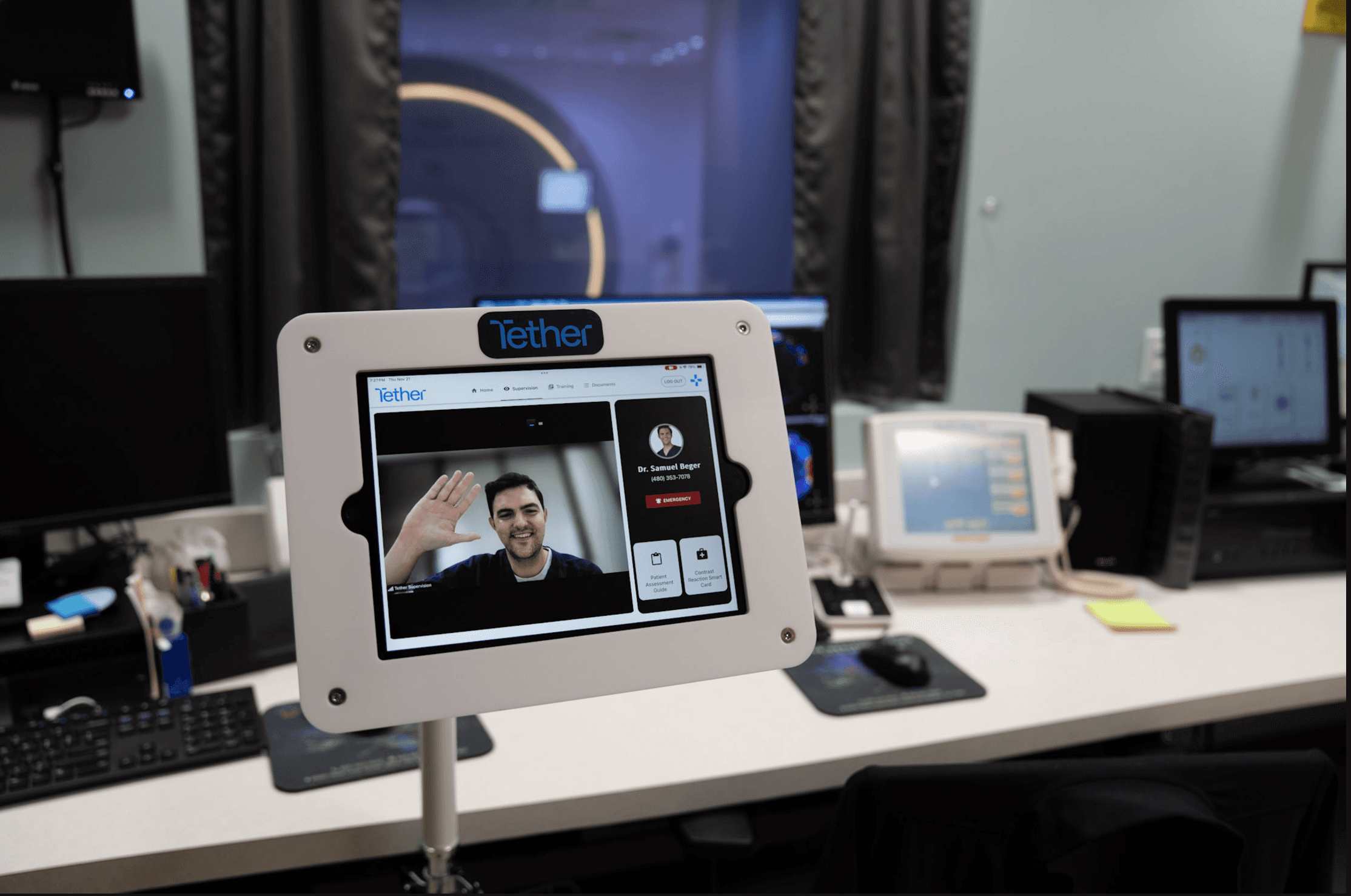
‍On June 23, 2025, Radsource, a respected provider of subspecialty MRI interpretation and PACS technology, publicly endorsed making remote imaging supervision a permanent federal policy.

Their position reflects what many radiology professionals have seen firsthand: virtual oversight improves flexibility, expands access, and leverages the tools already at the heart of modern imaging workflows.

Why Radsource’s Endorsement Matters

Radsource works with imaging providers nationwide, from orthopedic practices to hospital departments. Their June 23 blog post outlined several benefits of remote supervision:

  • Enhanced workflows: Radiologists can oversee imaging without being physically on-site, reducing bottlenecks and enabling faster turnaround times.

  • Expanded access: Rural hospitals and outpatient centers gain access to subspecialty expertise without geographic barriers.

  • Technology readiness: Secure PACS systems, teleradiology workflows, and HIPAA-compliant communications make remote oversight both safe and efficient.

By endorsing permanent adoption, Radsource joins a growing list of industry leaders, including the American College of Radiology (ACR) — calling on CMS to codify these capabilities.

CMS’s CY 2026 Proposal Brings Policy Closer to Practice

The CY 2026 Medicare Physician Fee Schedule Proposed Rule includes a significant provision: making virtual direct supervision via real-time audio/video (excluding audio-only) permanent for certain diagnostic tests under § 410.32, along with other service categories.

If finalized, this policy would validate, in addition to on-site supervision, the operational models providers have relied on since the COVID-19 public health emergency and ensure ongoing access to safe, compliant, and efficient supervision models.

Shared Vision: Tether and Radsource

While Tether and Radsource focus on different areas of imaging, both aim to eliminate outdated supervision barriers.

Tether’s platform is purpose-built for virtual contrast supervision, combining:

  • Real-time HIPAA-compliant AV connection for direct oversight

  • Integrated contrast reaction protocols with one-click escalation

  • Advanced technologist training proven to increase confidence and readiness

Radsource’s endorsement further underscores that the industry is ready for CMS to modernize supervision policy.

Looking Ahead

When respected voices like Radsource publicly support permanent remote supervision, it strengthens the case that this is no longer a stopgap; it’s a proven, scalable model for radiology’s future.

With CMS’s proposal on the table, now is the moment for providers, industry leaders, and policymakers to align and to ensure regulations match the capabilities already transforming patient care.

Bottom line: Permanent remote supervision is not about replacing quality oversight; it’s about delivering it more intelligently, efficiently, and broadly than ever before.

Learn how Tether can help you transition to a CMS-compliant virtual supervision model: Contact us here.

A guide covering essential factors for selecting a virtual contrast supervision provider, including assessing needs, software support, clinical oversight, and regulatory compliance.

How to Select a Virtual Contrast Supervision Provider
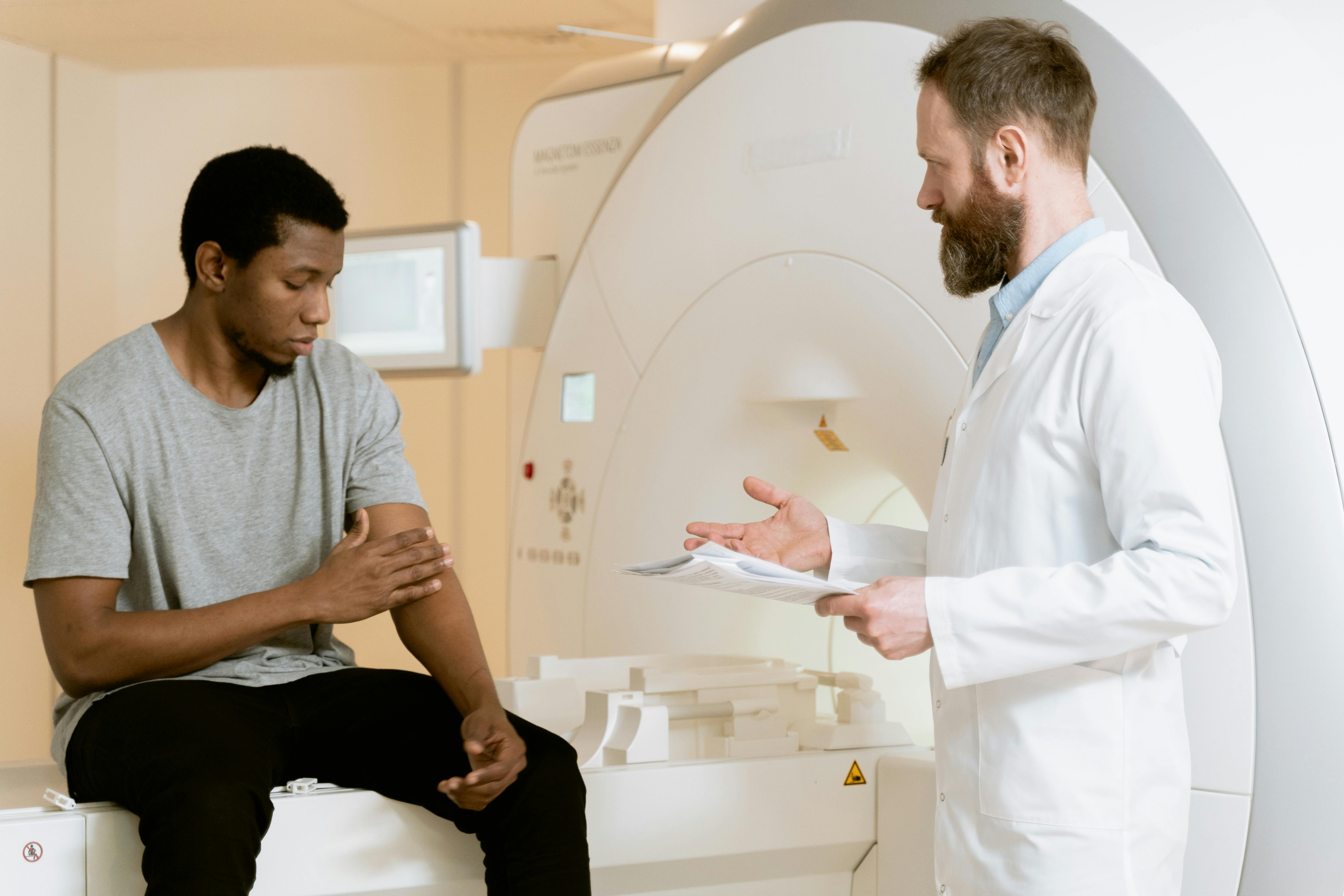
‍Administering contrast media in medical imaging is a critical process that requires skilled oversight to ensure patient safety and regulatory compliance. This guide explores the essential factors to consider when evaluating virtual contrast supervision providers, with insights into how Tether Supervision supports facilities in achieving their goals.

1. Assessing Your Facility’s Needs

Before diving into the market, start by identifying your facility’s specific requirements. Ask yourself:

  • Do you already have radiologists available? If so, you may need a provider that offers software to support existing staff with seamless remote workflows.

  • Do you lack access to supervising radiologists? In this case, you’ll need a provider that includes both supervision services and software to manage operations effectively.

At Tether Supervision, we offer flexible solutions tailored to your unique situation. Whether you’re looking to use your own radiologists or need comprehensive supervision support, we can help.

2. Software Support: A Must-Have for Efficiency

A robust software platform is the backbone of any virtual supervision program. Look for providers that:

  • Enable Real-Time Communication: Platforms should support instant collaboration between technologists and supervising radiologists.

  • Ensure Documentation Compliance: Software should automatically log supervision activities to meet legal and regulatory requirements.

  • Integrate Seamlessly with Existing Processes: Ensure the platform integrates with your existing processes workflow disruptions.

Tether’s platform excels in all these areas. Our technology streamlines the supervision process, ensuring smooth communication and airtight compliance, so your staff can focus on patient care.

3. Clinical Oversight: Qualified and Reliable Supervision

If your facility doesn’t have in-house radiologists, you’ll need to rely on the provider for clinical oversight. Evaluate their supervision team based on:

  • Qualifications and Licensing: Are the supervising physicians required to be board-certified and licensed in your state? Is board-eligible sufficient?

  • Availability: Can the provider accommodate your facility’s schedule, including weekends and after-hours coverage?

  • Experience in Contrast Administration: Expertise in contrast media supervision is non-negotiable for patient safety.

At Tether, our network of board-certified radiologists is available 24/7, providing reliable oversight whenever you need it.

4. Regulatory and Legal Compliance

Virtual supervision providers must adhere to strict legal and regulatory standards. Ensure the provider can:

  • Operate in Your State: Licensing and telemedicine laws vary by state, so it’s crucial the provider complies with local regulations.

  • Provide Documentation for Audits: The provider should offer robust record-keeping to demonstrate compliance during audits or inspections.Tether Supervision is built with compliance in mind, offering detailed documentation and a thorough understanding of state-specific telehealth regulations.

5. Training and Support for Your Staff

A high-quality provider should offer training to ensure your staff is prepared to use the platform and follow best practices in contrast administration. When evaluating providers, ask:

  • What training resources are available? Ensure the provider offers comprehensive onboarding, including step-by-step guidance on using the software and understanding supervision protocols.

  • Is ongoing education provided? Look for providers that offer continuing education on regulatory changes, contrast safety, and workflow optimization.

  • Is technical support accessible? Confirm the availability of real-time support to troubleshoot issues or provide guidance during emergencies.

Tether Supervision goes beyond technology by investing in your team’s success. We provide hands-on training during implementation and regular updates to keep your staff informed of best practices and compliance requirements. Our technical support team is available 24/7 to address any challenges

6. Scalability and Flexibility

Healthcare needs can change rapidly. Choose a provider that offers:

  • Scalable Solutions: Can the provider expand services as your patient volume grows?

  • Customizable Options: Does the provider offer solutions tailored to your facility’s specific needs, such as temporary coverage or long-term support?

Tether Supervision’s scalable platform adapts to your evolving requirements, whether you need temporary coverage or long-term partnerships.

7. Cost-Effectiveness

While cost shouldn’t be the sole determinant, it’s an essential consideration. Look for providers that offer transparent pricing and a strong return on investment. Compare the cost of their services against:

  • The potential reduction in staffing shortages.

  • Avoidance of regulatory fines due to non-compliance.

  • Improved patient throughput and outcomes.

Tether offers competitive pricing models designed to maximize value for facilities of all sizes.

The Tether Difference

Selecting a virtual contrast supervision provider is a decision that impacts patient safety, regulatory compliance, and operational efficiency. At Tether Supervision, we pride ourselves on offering:

  • Flexible Solutions: Use your own radiologists or rely on our board-certified network.

  • Cutting-Edge Technology: Streamline workflows and enhance compliance with our intuitive software platform.

  • 24/7 Support: Access real-time supervision whenever you need it.

Compare Tether Supervision to some of the other on-site providers and other virtual solutions. When you choose Tether Supervision, you’re not just getting a provider—you’re gaining a partner committed to the success of your facility.