RSNA 2025: Key Learnings on Virtual and On-Site Contrast Supervision — and Why Tether Is Setting the Standard
Discover the top insights from RSNA 2025 on virtual and on-site contrast supervision and how Tether Supervision is redefining safe, compliant, and scalable imaging operations.

Tether Supervision
Contrast Supervision
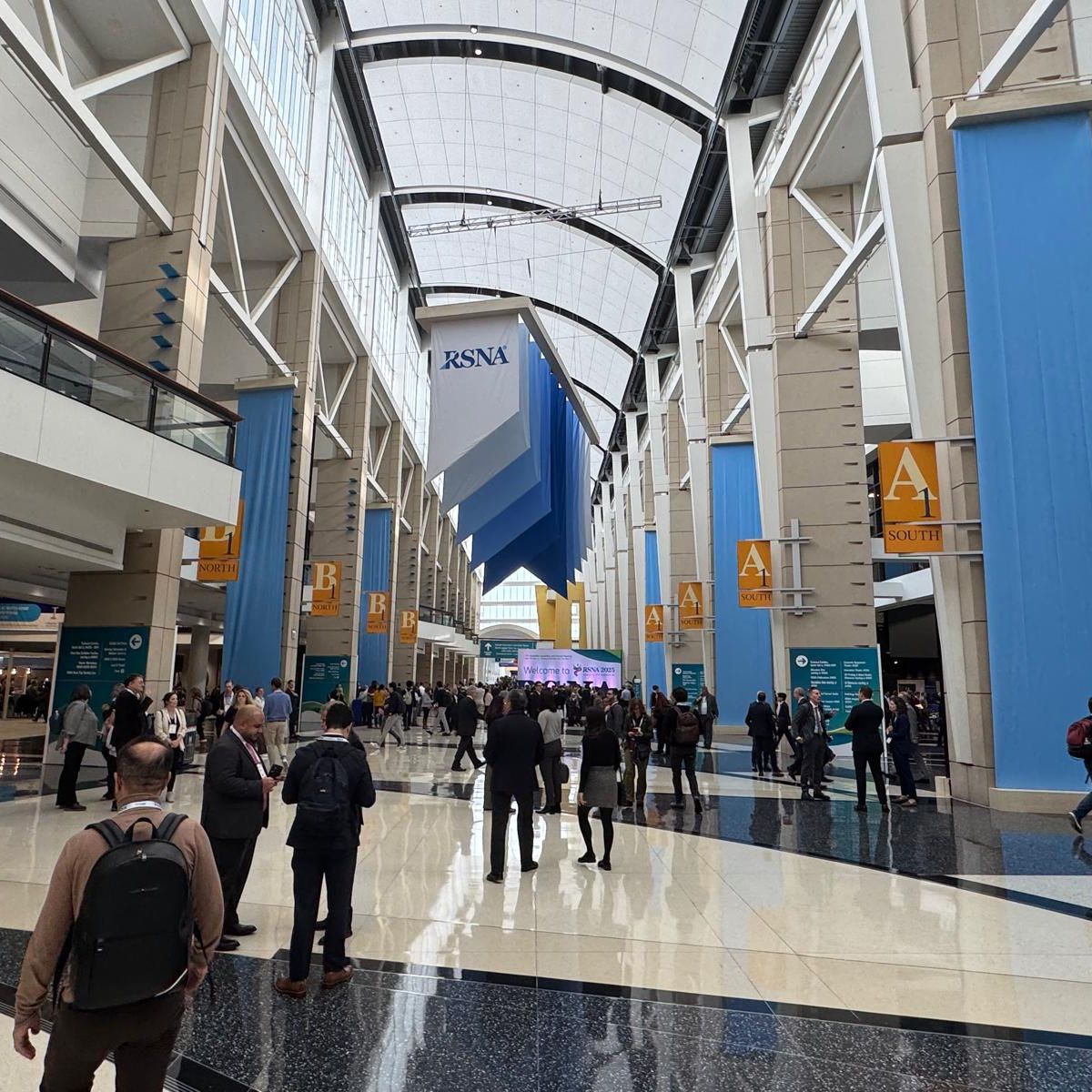
RSNA 2025 revealed a decisive shift in how the imaging community views contrast supervision. What once required lengthy explanations of “immediate availability,” CMS rules, and two-way audio/video infrastructure has now evolved into sophisticated discussions about scale, quality assurance, regulatory alignment, and multi-site operational design. The industry is moving quickly, and this year’s conference made one point abundantly clear: virtual contrast supervision is no longer aspirational, it is becoming the expected operational standard for safe, consistent contrast-enhanced CT and MRI.
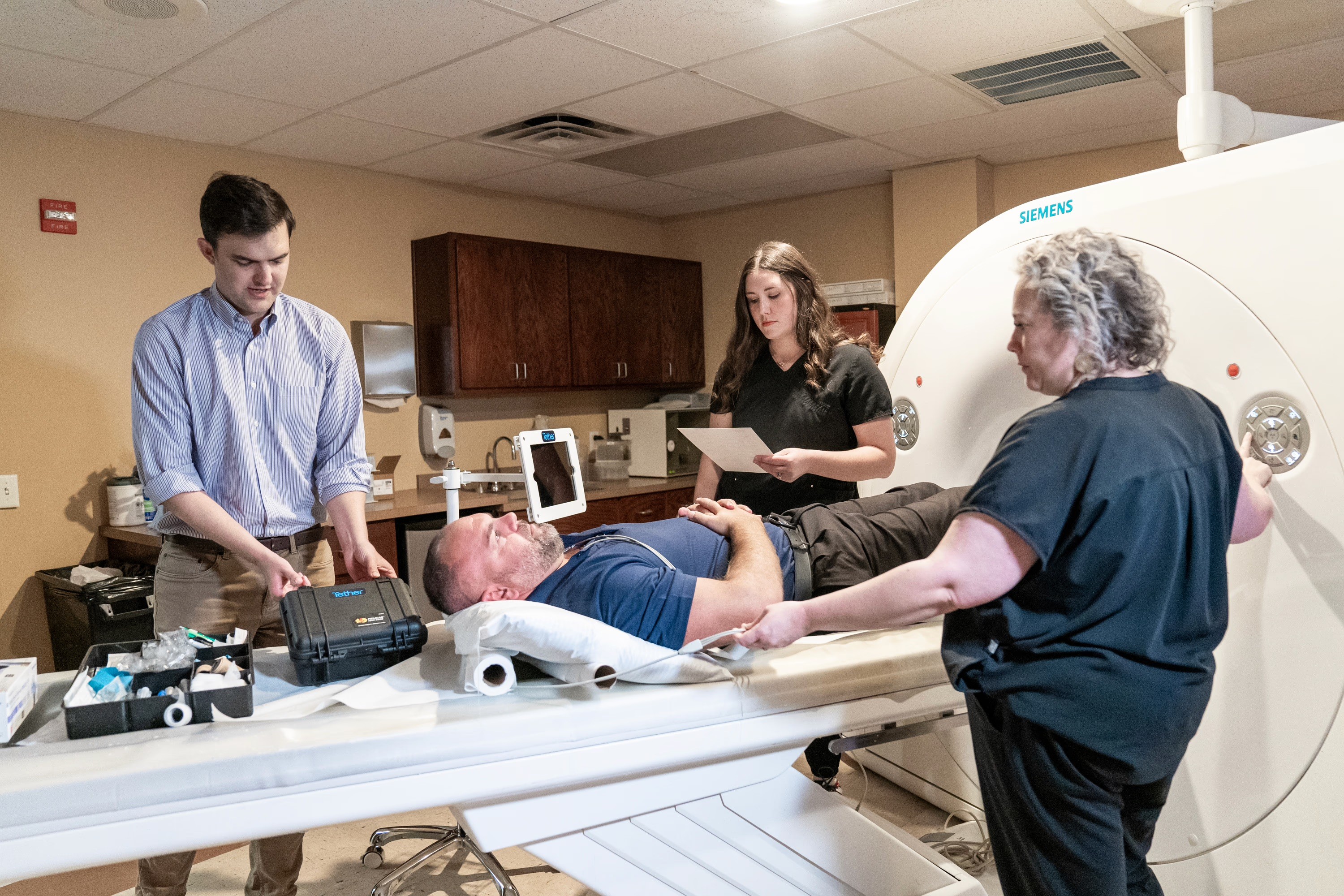
At the same time, RSNA underscored that virtual supervision cannot stand alone. Many states have yet to modernize their definitions of direct supervision, requiring on-site supervision, and several: California being the most prominent example, require both an immediately available supervising radiologist and a trained on-site professional who stays with the patient throughout contrast administration. Attendees repeatedly described the practical challenges this creates when relying on virtual-only or on-site-only vendors. The result is fragmented workflows, inconsistent coverage, and operational inefficiencies that become especially difficult for regional and national imaging networks. The regulatory landscape is evolving, but unevenly; until it fully matures, hybrid supervision is not just a preference, it is a necessity.
This year, one of the most notable developments was the industry’s focus on formalized training and certification for technologists supporting virtual supervision. Imaging centers increasingly recognize that even the most responsive supervising radiologist cannot compensate for inconsistent on-site readiness. Technologists need structured training, not ad hoc instruction, in escalation protocols, contrast reaction management, documentation expectations, and communication procedures. Leaders spoke openly about the importance of competency validation and standardized pathways that can be applied across multiple facilities. This growing emphasis aligns with broader national efforts to professionalize and codify the technologist role in environments where virtual supervision is used.
Equally significant was the attention given to defining clear standards for supervising radiologists. RSNA participants discussed questions that until recently received little formal scrutiny: How many imaging centers can a radiologist safely supervise at once? What counts as acceptable activity during supervision hours? How should response times be measured and documented? What systems should be in place to ensure compliance with CMS and state regulations? We heard about some competitors having radiologists supervising as many as 35 or 40 centers at once, identifying the opportunistic nature the industry seeks to regulate. These conversations represent the maturation of the field. Virtual supervision is no longer treated as a workaround but as a clinical discipline deserving of explicit, enforceable standards that protect both patients and clinicians.
Across this backdrop, Tether Supervision stood out. Many imaging executives noted the increasing burden of juggling multiple vendors—virtual coverage from one partner, on-site staffing from another, training from a third, etc. Each component is critical, yet when handled separately, they create gaps, inefficiencies, and inconsistencies that compromise both compliance and patient care. The contrast with Tether’s fully integrated model was unmistakable. Tether is the only national provider offering virtual supervision, on-site supervision, technologist training, emergency escalation workflows, credentialing, QA infrastructure, and unified documentation, all within a single platform. For organizations struggling with fragmented vendor ecosystems, this level of integration is more than a convenience; it represents a strategic advantage and a path to operational clarity.
Another striking theme at RSNA was the rise of international interest. Delegations from Europe, Latin America, the Middle East, and Asia-Pacific sought insights into how virtual supervision, pending policy revisions, could address radiologist shortages, improve emergency readiness, and standardize care across distributed imaging networks. These organizations saw Tether as a template for safe, scalable supervision workflows, an encouraging sign of how rapidly global interest is expanding.
Underlying nearly every conversation was a broader trend: the industry’s appetite for standardization. Health systems want consistent escalation pathways, predictable documentation, reliable communication expectations, and uniform supervision protocols across all sites. They are no longer content with coverage alone; they want a comprehensive supervision infrastructure that enhances throughput, strengthens technologist confidence, reduces variability, and improves documentation quality. RSNA confirmed that imaging leaders now view contrast supervision not as a regulatory checkbox, but as a strategic component of clinical operations.
Taken together, these insights point to a clear conclusion. The future of contrast supervision is hybrid, because regulations demand it. It is standardized, because quality depends on it. And it is platform-driven, because fragmented workflows cannot meet the needs of modern imaging networks. With its fully integrated blend of virtual supervision, on-site support, structured training, emergency escalation, credentialing, and unified documentation, Tether Supervision is not simply adapting to this next era, it is helping to define it.

Read more from Tether Supervision