Understanding Contrast Media Adverse Reactions: Risks, Myths, and Modern Best Practices for Safer Imaging
Contrast media adverse reactions are rare but clinically significant events that require rapid recognition, clear escalation pathways, and consistent supervision. This overview explains the risks, myths, and modern best practices that help imaging centers deliver safer contrast-enhanced imaging.

Tether Supervision
Contrast Reactions
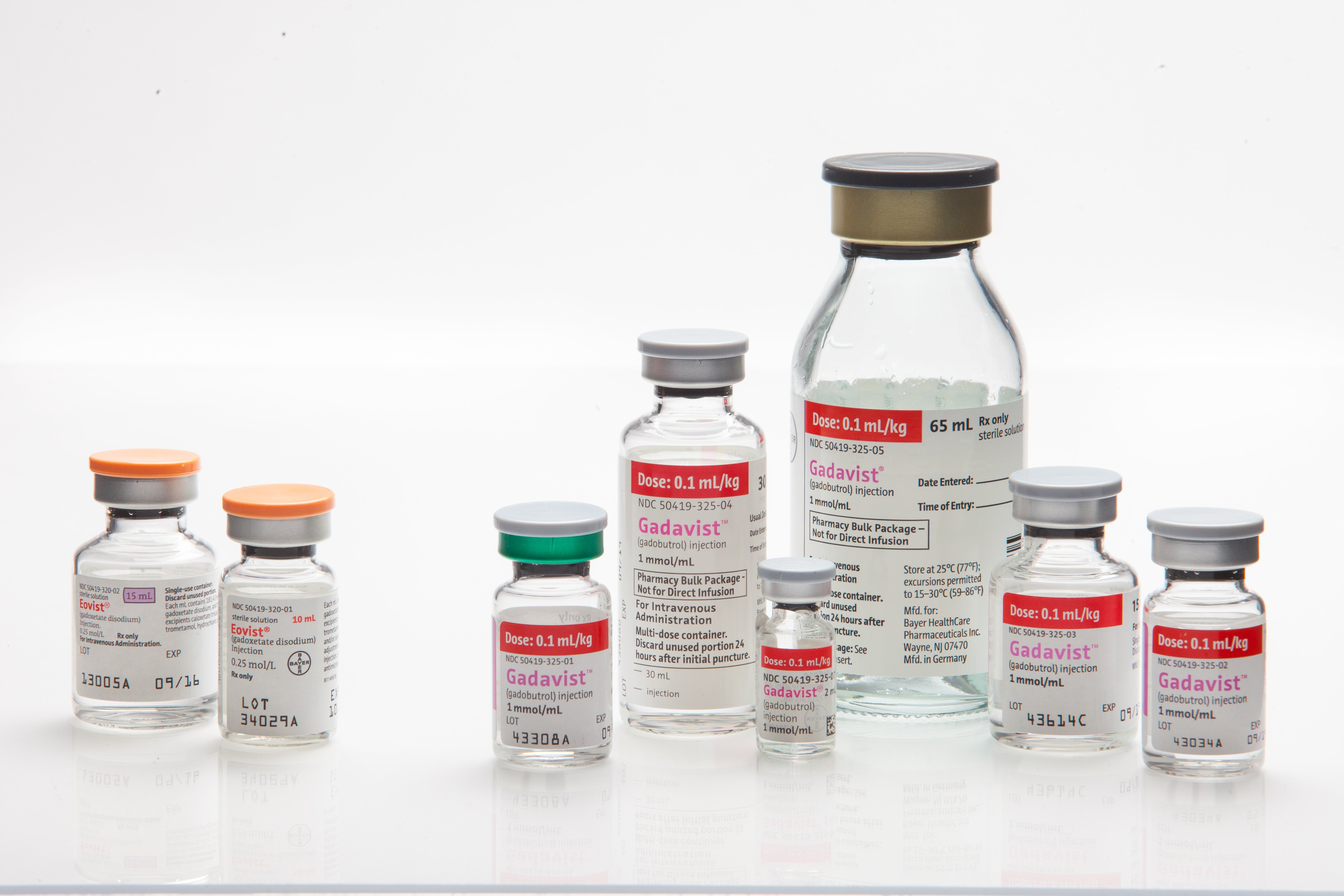
Contrast media adverse reactions, often mislabeled as “contrast allergies”, represent a small but clinically significant category of events that can occur after iodinated contrast administration. While true immune-mediated allergies are rare, adverse reactions can still present across a spectrum of severity, from mild physiologic responses to life-threatening anaphylaxis. As imaging volumes rise and outpatient centers increasingly provide complex CT and MRI services, understanding these reactions and building a reliable response workflow has become essential for patient safety.
At Tether Supervision, we integrate real-time virtual supervision, standardized technologist training, and clinical escalation pathways to ensure that imaging centers are prepared for the rare but critical moment when a reaction occurs. This article summarizes the current evidence, the myths that persist in clinical practice, and the safety frameworks endorsed by the ACR.
What Are Contrast Materials and How Do They Work?
Contrast materials (contrast agents or contrast media) are substances that improve the diagnostic value of imaging exams. They do not permanently stain organs and do not produce radiation themselves.
When introduced into the body, they temporarily change the appearance of selected tissues or vessels, helping physicians see internal structures more clearly.
Contrast materials can enter the body in several ways depending on the exam. They may be swallowed for evaluation of the upper gastrointestinal tract, administered rectally to visualize the colon and rectum, injected into veins or arteries to highlight organs and blood vessels, or placed directly into specific body spaces for targeted studies. Once the imaging exam is complete, the contrast material is either absorbed naturally or eliminated through urine or stool.
What are the Types of Contrast Materials?
Several categories of contrast materials are used across diagnostic imaging, each designed to enhance visibility in different ways. Iodine-based and barium-sulfate compounds are central to x-ray and CT imaging. Iodine-based agents circulate through vessels and soft tissues, blocking x-rays to help outline organs and vascular structures, while barium-sulfate is typically taken orally or administered rectally to highlight the gastrointestinal tract.
Gadolinium-based agents are used in MRI, where they influence the magnetic properties of nearby water molecules, improving the visibility of soft tissues, blood vessels, and areas of inflammation or abnormality.
Microbubble contrast materials, used in ultrasound, consist of tiny gas-filled spheres that reflect sound waves and enhance the visualization of blood flow, cardiac chambers, and vascular patterns in organs such as the liver and kidneys.
In certain specialized studies, saline or air may also be used as contrast materials to improve visualization without introducing traditional contrast agents.
Which Imaging Exams Use Contrast Media?
Contrast materials are used across multiple imaging modalities to improve visualization of organs, vessels, and soft tissues. Oral contrast is most often used in exams of the gastrointestinal tract, helping radiologists assess the esophagus, stomach, and the small and large intestines by coating the lining of these structures. Rectal contrast serves a similar purpose for the lower GI tract, particularly the colon and rectum, and is commonly used in CT colonography and fluoroscopic studies.
Intravenous (IV) contrast plays a central role in cross-sectional imaging. Iodine-based agents enhance x-ray and CT studies by increasing the visibility of blood vessels, organs, and areas of abnormal tissue, while gadolinium-based agents are used in MRI to highlight soft tissue structures, vascular anatomy, and lesions that may not otherwise be visible.
Microbubble contrast, used in ultrasound, consists of tiny gas-filled spheres that circulate through the bloodstream. These microbubbles reflect ultrasound waves and significantly improve visualization of cardiac chambers, blood flow in abdominal organs such as the liver and kidneys, and areas affected by inflammation. This method provides real-time functional information without radiation exposure.
Preparing for an Imaging Exam With Contrast
Before undergoing an imaging exam with contrast, patients should share relevant medical history so the care team can determine the safest approach. Clinicians need to know about any previous reactions to contrast materials, as well as allergies to medications, foods, or environmental triggers. Conditions such as heart disease, diabetes, kidney disease, and thyroid disorders can influence how contrast agents are selected and administered. Based on these details, the preparation instructions may be adjusted to ensure the exam is performed safely and effectively.
How Contrast Reactions Present
Acute reactions occur within the first hour and are classified by severity.
Mild reactions: Often self-limited and include nausea, flushing, pruritus, mild urticaria, or headache. Supportive measures alone are typically sufficient.
Moderate reactions: Require medical attention and may include marked urticaria, severe vomiting, bronchospasm, laryngeal edema, or vasovagal symptoms. Treatment may involve oxygen, bronchodilators, antihistamines, or intramuscular epinephrine depending on symptom progression.
Severe reactions: These represent true emergencies—cardiac arrest, respiratory failure, pulmonary edema, or shock. Guidelines from RANZCR and ACR emphasize immediate airway management, high-flow oxygen, and IM epinephrine as first-line therapy, with escalation to advanced interventions as needed.
Delayed reactions, occurring hours to days later, are typically dermatologic—maculopapular rash, urticaria, erythema—and rarely require escalated care.
Why Contrast Media Reactions Occur
Modern non-ionic, low-osmolar iodinated contrast agents are dramatically safer than earlier high-osmolar formulations. Severe reactions are extremely rare—approximately 0.04% of injections—but because almost all life-threatening events occur within the first 20 minutes, workflow readiness and consistent supervision are key.
Most reactions are not allergic in the traditional sense. Rather than being mediated by IgE or defined allergens, many reactions represent idiosyncratic physiologic responses triggered by contrast exposure. This distinction matters: mislabeling physiologic symptoms as “allergy” can lead to unnecessary premedication, avoidance of needed imaging, or operational delays.
Understanding the Mechanisms
From a mechanistic standpoint, reactions fall into two broad categories:
Allergic-like reactions: Mimic anaphylaxis but often lack classical immune markers.
Physiologic reactions: Related to contrast osmolality, chemotoxicity, or temperature; not immune-driven.
This distinction affects decision-making around premedication, which is frequently overused in patients who do not require it.
Who Is at Higher Risk?
Risk is influenced by patient history, comorbidities, and previous contrast exposure patterns. The most significant predictor is a prior reaction to iodinated contrast, which increases the risk nearly 200-fold.
Additional risk modifiers include:
female sex
elevated BMI
hyperthyroidism
asthma and other allergic conditions (not as a contraindication but a risk amplifier)
family history of hypersensitivity to contrast
high baseline anxiety
Interestingly, older age and hypertension appear to have a protective effect, with lower reported rates of acute reaction.
One of the most common misconceptions, still encountered in clinics today, is that shellfish allergy or iodine antiseptic sensitivity increases the risk of contrast reactions. This is false. Allergies to seafood are related to proteins, not iodine, and iodine itself is not an allergen.
Another persistent myth is that first-exposure reactions cannot occur. In reality, even patients with no documented contrast history can experience anaphylaxis, though this is exceedingly rare.
How are Contrast Reactions Are Managed in Clinical Practice?
Imaging facilities follow structured protocols to identify and treat reactions to contrast materials quickly and consistently. These algorithms are aligned with guidance from the ACR, ESUR, CSACI, and other specialty societies, and they ensure that technologists and supervising physicians can respond effectively at each level of severity.
Management of Mild Reactions
Mild reactions typically involve transient symptoms such as limited hives, mild itching, nausea, warmth, or an unusual taste. These events seldom require medical therapy. Technologists observe the patient closely to ensure symptoms do not progress. When needed, a non-sedating antihistamine may be administered for comfort. Most patients recover without further intervention.
Management of Moderate Reactions
Moderate reactions require active treatment because symptoms are more pronounced and may interfere with breathing or circulation. Examples include diffuse urticaria, bronchospasm, persistent vomiting, or mild airway swelling. Management may include oxygen, bronchodilators, antihistamines, corticosteroids, or intramuscular epinephrine depending on the presentation. The primary goal is to control symptoms early and prevent deterioration.
Management of Severe or Life-Threatening Reactions
Severe reactions, including anaphylaxis, demand immediate action. These events can involve airway compromise, respiratory failure, cardiovascular collapse, seizures, or altered mental status. First-line therapy is intramuscular epinephrine, accompanied by oxygen, airway support, intravenous fluids, and activation of emergency transport if needed. Rapid escalation and clear communication among technologists, supervising physicians, and emergency responders are essential.
Active reporting of symptoms is valuable. Patients who communicate new sensations—tightness in the throat, difficulty breathing, dizziness, or diffuse itching—allow the clinical team to respond before complications develop.
How Patients Can Reduce Risk
A safe imaging experience begins with an accurate clinical history and clear communication. Several steps help reduce preventable risk when contrast is planned.
Patients should inform the imaging team of:
any prior reaction to contrast agents
medication allergies
asthma, cardiac disease, or other chronic conditions
kidney disease or thyroid disorders
recent illness or active infections
This information allows physicians to select the safest contrast agent and determine whether premedication, hydration, or an alternative imaging strategy is appropriate.
Ask About the Procedure
Understanding the purpose of contrast use and the possible sensations during and after administration helps reduce anxiety. Patients are encouraged to ask questions if anything is unclear.
Maintain Hydration
Adequate hydration before and after iodinated contrast administration supports renal clearance, particularly in patients with borderline kidney function. Unless otherwise instructed, patients should drink plenty of water throughout the day of the exam.
What Patients Should Expect After the Procedure
After the imaging study is complete, the clinical team provides guidance tailored to the type of contrast administered.
Hydration
Patients are typically encouraged to drink fluids after intravenous iodinated or gadolinium-based contrast. Hydration assists the kidneys in eliminating contrast efficiently.
Monitoring for Symptoms
Most individuals experience no delayed symptoms. However, patients should watch for:
new or worsening rash
difficulty breathing
swelling of the face or throat
persistent nausea or vomiting
generalized feeling of being unwell
Any concerning symptoms should prompt immediate contact with the facility or emergency care.
Follow-Up
If delayed dermatologic reactions occur—a common manifestation several hours to days after iodinated contrast—patients may require outpatient evaluation, antihistamines, or topical corticosteroids. Severe delayed reactions are uncommon.
Being informed about typical sensations and rare adverse effects empowers patients and supports timely reporting of symptoms.
Side Effects and Adverse Reactions
Barium-sulfate contrast materials may cause mild gastrointestinal symptoms such as cramps, diarrhea, or nausea, while more serious effects—including hives, throat swelling, or difficulty breathing—are uncommon but require immediate attention. Patients with cystic fibrosis, significant dehydration, or known bowel perforation face a higher risk of complications from barium-based agents.
Iodine-based contrast materials used in x-ray and CT imaging can produce common symptoms such as nausea, flushing, or itching. Moderate reactions, including severe rashes, wheezing, or abnormal heart rhythms, may develop in some patients, and severe events—such as airway swelling or profound low blood pressure—require urgent intervention. Delayed skin reactions can also occur hours to days after exposure.
Contrast-induced acute kidney injury is a consideration primarily for patients with advanced kidney disease. In this group, clinicians weigh the diagnostic benefit of iodinated contrast against the potential risk, often tailoring hydration or imaging strategies accordingly.
Gadolinium-based materials used in MRI rarely cause allergic reactions and are generally well tolerated. Nephrogenic systemic fibrosis (NSF), while extremely rare, remains a concern in patients with severe renal impairment. Trace gadolinium retention has been documented in various tissues, including the brain, but no harmful clinical effects have been demonstrated to date.
Patient Experience Before and After Contrast
Barium-based contrast may require fasting and bowel prep. Taste can be unpleasant; rectal administration may cause fullness. Iodinated IV contrast may cause a warm sensation and metallic taste. Hydration helps elimination. Gadolinium may feel cool on injection. Most patients can resume normal activities immediately after the exam.
Pregnancy and Contrast Materials
Patients should notify providers if pregnancy is possible.
CT iodinated contrast: generally safe, with minimal fetal risk.
MRI gadolinium: typically avoided unless essential.
Breast-feeding: ACR and ESUR state it is safe to continue breast-feeding after IV contrast. Mothers may abstain for 24 hours if they prefer.
Routes of Administration and Rare Scenarios
While most reactions follow IV or intra-arterial injection, tiny amounts of contrast can be absorbed across mucous membranes in GI, GU, or procedural studies. Rare reactions have been documented after contrast enemas, sialography, arthrography, hysterosalpingography, and other fluoroscopic evaluations.
Premedication: When Is It Appropriate?
Professional societies disagree on the benefit of corticosteroid premedication. The ACR recommends it for select high-risk patients, while ESUR, CAR, and CSACI caution against routine use due to limited evidence of mortality reduction.
Antihistamines may be used selectively, but their role is similarly debated. Contrast warming is widely adopted for patient comfort and improved injection dynamics, though it has not been proven to reduce reaction risk. Fasting is no longer recommended for contrast safety and may introduce unnecessary complications.
Treatment Frameworks and Clinical Readiness
Because most severe reactions occur rapidly and unpredictably, workflow preparedness—not patient risk stratification alone—is the foundation of safe imaging. This includes:
immediate access to epinephrine
a trained technologist who can differentiate allergic-like vs. physiologic reactions
clear escalation pathways
real-time or immediately available physician oversight
This is where Tether Supervision plays a critical role. By providing always-on, real-time virtual supervision, we ensure that technologists are never managing an evolving reaction alone. Our clinicians guide acute management from the first sign of deterioration and activate emergency services if needed.
Outcomes and Prognosis
The overall mortality from contrast reactions is extremely low—estimated between 2 to 9 deaths per million injections. Early recognition, standardized training, and structured response workflows dramatically reduce the already rare likelihood of severe outcomes.
How Tether Supervision Elevates Contrast Safety
Modern imaging centers need more than a technologist checklist—they need a reliable clinical safety net. Tether integrates:
real-time video supervision during contrast administration
standardized technologist training across ACR-aligned protocols
mobile contrast units (MCUs) with reaction medication kits
emergency escalation workflows validated across thousands of hours
documentation and QA tools
By combining virtual direct supervision with consistent clinical oversight, Tether helps reduce unnecessary cancellations, improves safety compliance, and enhances technologist confidence.
Contrast media adverse reactions are uncommon but require a disciplined, modern approach to safety. As outpatient imaging expands and supervision requirements evolve under the 2026 CMS Final Rule, imaging centers must implement systems that ensure rapid recognition, reliable escalation, and consistent adherence to best-practice guidelines.
Tether Supervision provides the infrastructure, training, and clinical availability to make contrast-enhanced imaging safer and more predictable—regardless of geography, staffing limitations, or radiologist shortages.
Disclaimer
The information provided in this article is for educational and informational purposes only and is not intended to serve as medical advice, diagnosis, or treatment. Contrast reaction management, medication use, and clinical decision-making should always be performed by licensed healthcare professionals in accordance with applicable laws, institutional policies, and current clinical guidelines.
Tether Supervision does not provide medical care, does not replace the judgment of qualified clinicians, and does not assume responsibility for decisions made in the clinical environment. Always consult appropriate medical authorities, supervising physicians, or emergency services when managing patient care or medical emergencies.

Read more from Tether Supervision