Responding to Contrast Reactions: A Patient's Guide
This comprehensive guide provides patients with clear information about contrast reactions, their types, and how to manage them effectively during and after a medical imaging procedure. Learn what to do if you experience a contrast reaction, how symptoms are controlled, and the precautions to follow upon discharge. Your health and safety matter, and we're here to support you throughout your medical imaging journey.

Tether Supervision
Contrast Reactions and Exams
Medical imaging procedures often involve the use of contrast agents to obtain clearer and more detailed images. While these procedures are generally safe, there is a small possibility of experiencing what is known as a contrast reaction. This guide is designed to provide you with information on what contrast reactions are, how to manage them, and what to do if you experience one during or after your imaging procedure.
What Are Contrast Reactions?
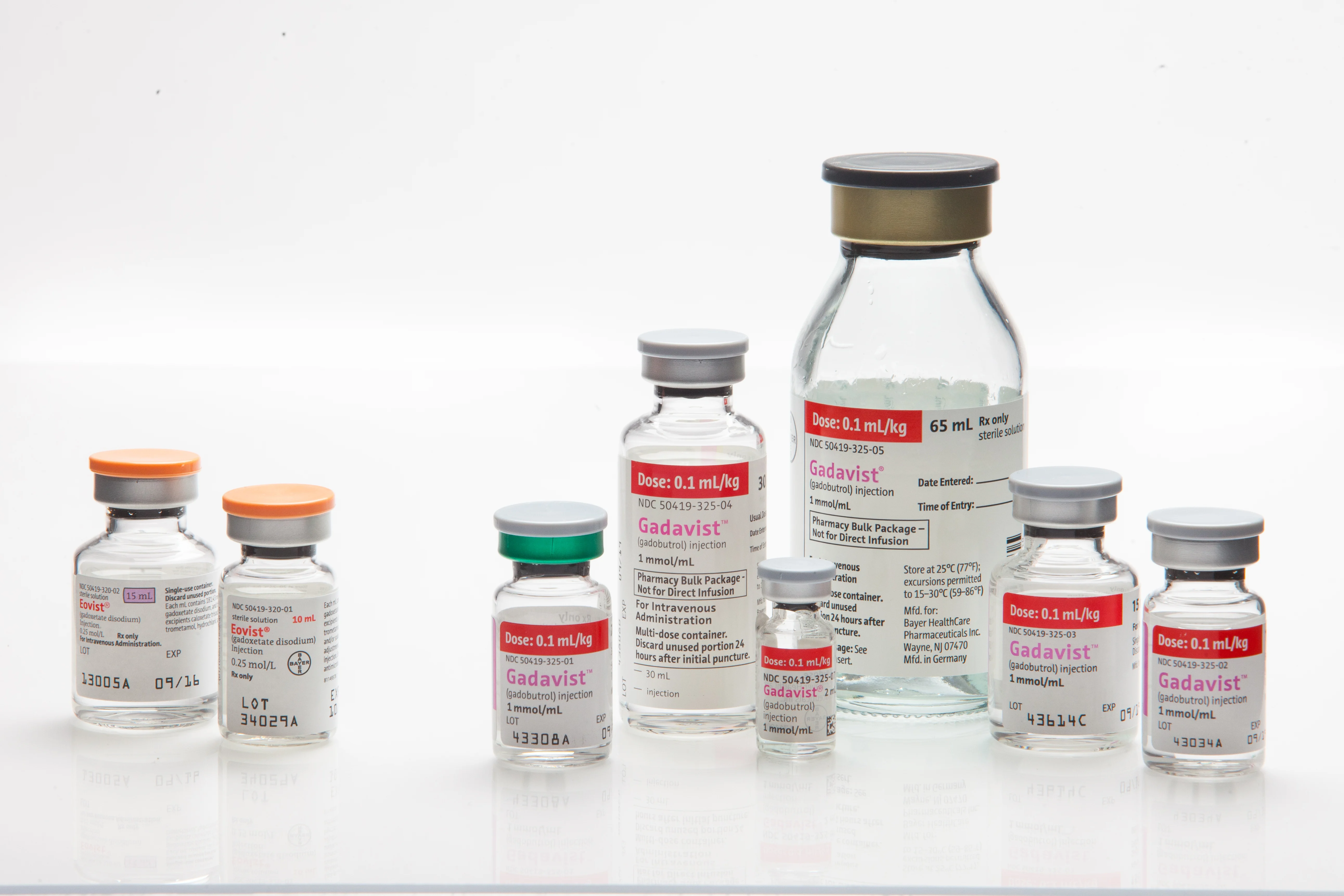
Contrast reactions are rare and typically occur when a contrast agent is used during certain medical imaging tests. These reactions are categorized into three types:
Mild Reactions: The most common type, these reactions may include sensations like warmth, a metallic taste in the mouth, mild nausea, or a feeling of flushing or warmth throughout the body.
Moderate Reactions: Less common than mild reactions, these may involve symptoms such as hives, itching, mild rashes, or a sense of anxiety or nervousness.
Severe Reactions: Extremely rare, severe reactions can lead to symptoms like difficulty breathing, a rapid or irregular heartbeat, swelling of the throat or face, or a severe rash. Immediate medical attention is required for severe reactions.
What to Expect During Your Procedure
Your medical team is well-trained to handle any potential contrast reactions. They will closely monitor you throughout the procedure to ensure your safety. If you experience mild or moderate reactions, your medical team will promptly address them to make you as comfortable as possible.
If You Experience a Contrast Reaction
While rare, it's possible to experience a contrast reaction during or after a medical imaging procedure. If you suspect you're having a reaction, here's what to do:
Stay Calm: Try to remain calm. Panic can exacerbate symptoms.
Notify the Staff: Use the call button or inform the technologist or nurse present during the procedure. They will assess your condition and take appropriate action.
Seek Prompt Medical Attention: Depending on the severity of your reaction, the healthcare team may administer medications or other interventions to alleviate your symptoms. In severe cases, they may initiate life-saving measures. You are in capable hands.
Inform About Allergies: If you have known allergies or have experienced contrast reactions before, inform your healthcare provider before the procedure. Your safety is their priority.
Physician Intervention: In the rare event of a severe contrast reaction, such as severe difficulty breathing, swelling of the throat or face, chest pain, severe abdominal pain, seizures, or loss of consciousness, your healthcare team is trained to respond swiftly and effectively. They will initiate life-saving measures and provide immediate medical attention.
Post-Reaction Evaluation: After managing the reaction, your healthcare team will monitor you closely to ensure your symptoms have resolved and that you are stable before proceeding with the imaging procedure, if necessary.
Documentation: Details of the reaction, including symptoms, medications administered, and your response to treatment, will be documented in your medical records for future reference.
Post-Reaction Consultation: Depending on the nature and severity of the reaction, your healthcare provider may discuss alternative imaging options or recommend additional tests to ensure your safety.
It's important to remember that severe contrast reactions are exceptionally rare. Healthcare facilities are well-equipped to handle such situations swiftly and effectively. Your health and well-being are their top priorities, and they are committed to ensuring a safe and comfortable experience during your medical imaging procedure.
Symptom Control
If you experience mild or moderate symptoms during the procedure, rest assured that these reactions are usually short-lived and manageable. Your healthcare provider will take steps to help you, which may include:
Hydration: You may receive intravenous (IV) fluids to help flush the contrast agent from your system.
Medications: Your provider may administer medications to alleviate symptoms like itching or nausea.
Monitoring: You will be closely monitored until your symptoms have resolved.
Cold Compress: For symptoms like itching, a mild rash, or warmth, you can apply a cold compress to the affected area. It can help soothe discomfort.
What to Follow After a Discharged Reaction
In the rare event that you experience a mild contrast reaction successfully managed by your healthcare team, here are some steps to follow after discharge:
Stay Nearby: Remain in the facility for a short period as advised. This allows the medical team to monitor you for any delayed or recurring symptoms.
Observe at Home: Continue self-monitoring for any unusual symptoms after returning home. Pay attention to changes in your skin, breathing, or overall well-being.
Stay Hydrated: Drinking fluids helps flush the contrast material out of your system and may alleviate mild symptoms.
Rest: Give your body time to recover. Avoid strenuous activities for the remainder of the day if you feel fatigued.
If your symptoms worsen after discharge or if you experience new or concerning symptoms, don't hesitate to contact your healthcare provider. They are there to assist you and will guide you on the next steps to take. Follow any prescribed medications and attend any scheduled follow-up appointments.
Return Precautions
While severe reactions are exceptionally rare, it's essential to be aware of return precautions. If you experience any of the following symptoms after leaving the healthcare facility, contact your healthcare provider or seek immediate medical attention:
Severe difficulty breathing
Swelling of the throat or face
Chest pain
Severe abdominal pain
Seizures
Loss of consciousness
Who to Contact
If you experience mild or moderate symptoms during or after your procedure, inform your medical team immediately. They are trained to respond quickly and effectively to ensure your comfort and safety.
For any concerns or questions about contrast reactions, please don't hesitate to contact your healthcare provider or the facility where you had the procedure. Your well-being is their top priority, and they are here to support you throughout your medical imaging journey. If you are at a facility where Tether Supervision is providing direct supervision, feel free to contact your CCT physician.
Remember, contrast reactions are uncommon, and medical professionals are well-prepared to manage them. Your procedure is a valuable tool in diagnosing and treating your medical condition, and your safety is our utmost concern. We want you to feel informed and reassured as you undergo your medical imaging journey. If you have any further questions or concerns about contrast reactions or any aspect of your procedure, please don't hesitate to reach out to your healthcare provider. Your health and well-being are at the heart of everything we do, and we are here to support you every step of the way.
We wish you a smooth and comfortable imaging procedure!
Want to learn more? Read out patient primer on contrast media.