Understanding Contrast Media Side Effects: CT & MRI Scan Reactions Explained
This blog post dives into the side effects and reactions of contrast media used in CT and MRI scans, offering a patient-friendly guide. It covers the types—iodinated for CT and gadolinium-based for MRI—detailing their classifications (e.g., non-ionic vs. ionic) and potential issues, from mild nausea to rare allergic reactions. Key differences include CT contrast’s higher risk of kidney damage and MRI contrast’s gadolinium retention concerns. With clear comparisons and practical tips, patients can better understand and prepare for imaging procedures.

Tether Supervision
Contrast Reactions and Exams
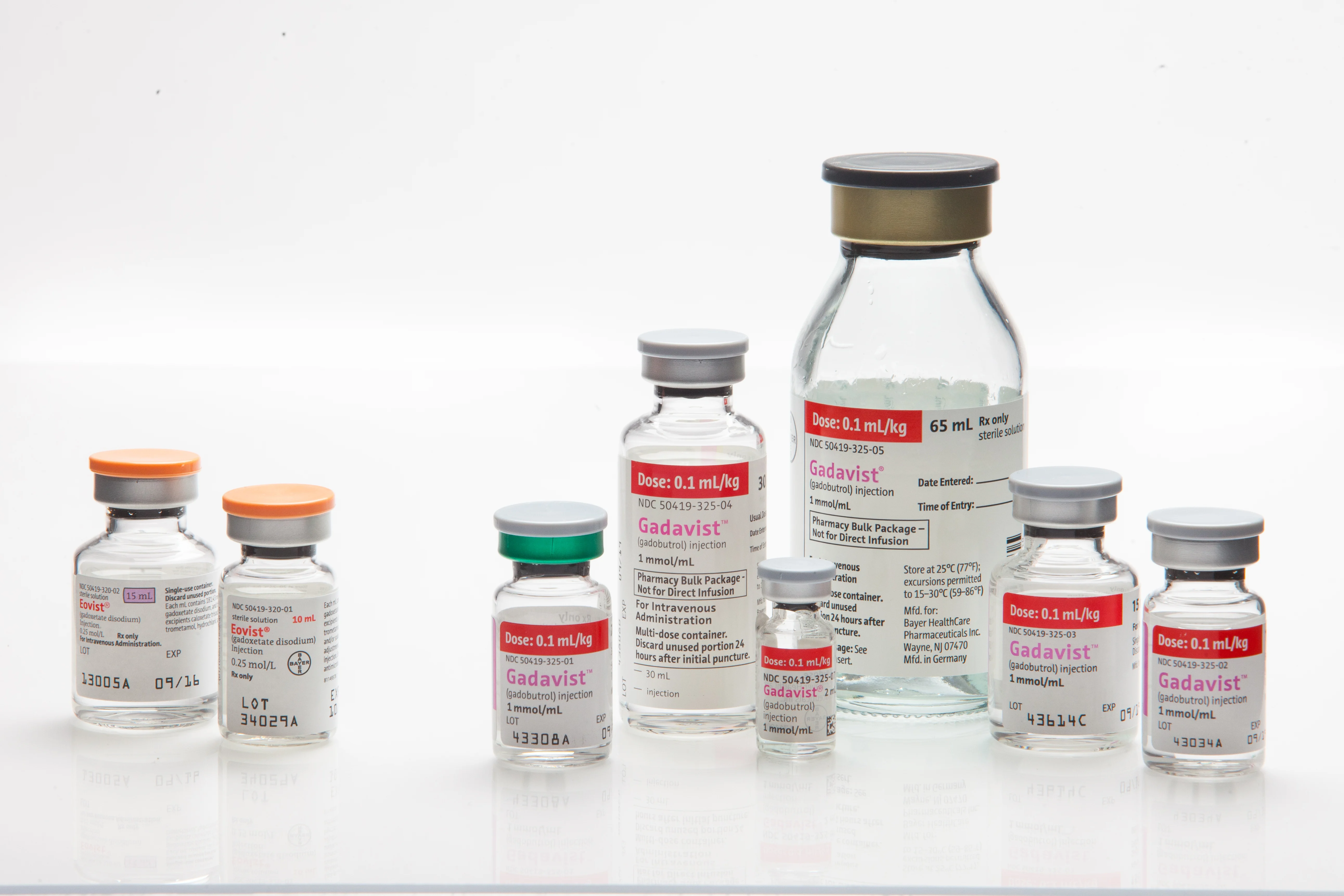
Contrast media, also known as contrast agents or dyes, are chemical substances used in medical imaging to enhance the visibility of specific structures or tissues. They are crucial for improving diagnostic accuracy in CT (computed tomography) and MRI (magnetic resonance imaging) scans. By temporarily altering how X-rays or magnetic fields interact with the body, contrast media help distinguish normal from abnormal conditions, aiding radiologists in identifying diseases, tumors, or blood flow issues. Contrast media vary depending on the imaging modality, with distinct types for CT and MRI scans.
CT Scan Contrast Media (Iodinated)
Iodinated contrast media contain iodine atoms and are primarily used for X-ray-based imaging, including CT scans. They are classified based on several properties:
Ionic vs. Non-ionic: Ionic contrast media dissociate in solution, increasing osmolality, while non-ionic do not, making them safer with fewer side effects. Non-ionic agents are preferred in modern practices
Osmolarity
High-osmolar contrast media (HOCM): have 5–8 times the osmolality of plasma, with higher reaction rates (6%–8% for mild to moderate reactions)
Low-osmolar contrast media (LOCM): have 2–3 times the osmolality of serum, with lower reaction rates (0.2% for mild to moderate).
Iso-osmolar contrast media: match blood osmolality, increasingly used for safety.
Common examples include iohexol and iodixanol, administered intravenously, orally, or rectally depending on the procedure. Research suggests non-ionic, low-osmolar agents reduce adverse reactions, as noted in Iodinated Contrast Media.
MRI Scan Contrast Media (Gadolinium-based)
Gadolinium-based contrast media are used for MRI scans, leveraging gadolinium’s paramagnetic properties to enhance image contrast. They are categorized as:
Linear vs. Macrocyclic: Linear agents have a linear chemical structure, while macrocyclic agents have a more stable, ring-like structure. Macrocyclic agents are less likely to release free gadolinium, reducing retention risks, as highlighted in MRI Contrast Agents.
Ionic vs. Non-ionic: Ionic agents dissociate in solution, while non-ionic do not, with safety profiles varying.
Examples include gadopentetate dimeglumine (linear, ionic) and gadoteridol (macrocyclic, non-ionic). The choice depends on patient factors, with macrocyclic agents often recommended for patients with kidney concerns due to lower retention risk.
Potential Side Effects and Reactions
Both types of contrast media can cause side effects, ranging from mild to severe, with differences in frequency and nature.
Side Effects of CT Contrast (Iodinated)
Mild Side Effects: Patients may experience warmth at the injection site, nausea, vomiting, or a metallic taste in the mouth. These are typically transient and resolve without treatment, as noted in Patient Safety - Contrast Material.
Allergic Reactions: These can range from mild (hives, itching) to severe (difficulty breathing, anaphylaxis). Anaphylactoid reactions, not IgE-mediated, are more common with HOCM, with an incidence of 0.6% for severe reactions, as per Iodinated Contrast Media Adverse Reactions.
Contrast-Induced Nephropathy (CIN): This is a risk, particularly for patients with impaired kidney function, where contrast can worsen kidney function. The risk increases from 0.5% to 1.5% in patients without cancer and without chronic kidney disease (CKD), as per Iodinated Contrast Medium.
Late adverse reactions, occurring hours to days post-administration, include nausea, headache, skin rash, and fever, with an incidence of approximately 2%, often unrelated to the contrast itself, as per Late Adverse Reactions.
Side Effects of MRI Contrast (Gadolinium-based)
Mild Side Effects: Common reactions include injection site pain, headache, nausea, itching, rash, and dizziness, occurring in a small minority, typically within minutes of injection, as noted in Gadolinium Contrast Medium.
Allergic Reactions: Rare, but possible, with symptoms like hives and itchy eyes. Severe reactions are less common than with iodinated contrast, with an incidence of acute allergic-like reactions at 0.04% for aggressive cases, as per Frequency and Severity of Acute Allergic-Like Reactions.
Gadolinium Retention: A significant concern, with gadolinium depositing in the brain and other tissues, potentially for months to years. This has led to conditions like nephrogenic systemic fibrosis (NSF) in patients with severe kidney disease, and gadolinium deposition disease (GDD) in others, with symptoms like pain and fatigue. The FDA requires warnings, as per FDA Drug Safety Communication.
Research continues on long-term effects, with no definitive harm found yet, but vigilance is advised, especially for patients with kidney issues, as per NCHR Report.
Comparison of Side Effects and Reactions
To facilitate understanding, here’s a table comparing the side effects and reactions of CT and MRI contrast media:
Aspect | CT Contrast (Iodinated) | MRI Contrast (Gadolinium-based) |
|---|---|---|
Mild Side Effects | Warmth, nausea, metallic taste | Headache, nausea, dizziness |
Allergic Reactions | More common, hives to anaphylaxis (rare, 0.6% severe) | Rare, hives, itchy eyes (0.04% severe) |
Kidney-Related Risks | Contrast-induced nephropathy, higher in kidney disease | Nephrogenic systemic fibrosis in severe kidney disease |
Long-term Concerns | Minimal, mainly acute reactions | Gadolinium retention, potential long-term effects |
Risk Factors | History of reactions, asthma, kidney disease | Kidney disease, prior reactions, atopy |
Allergic Reactions: Iodinated contrast media have a higher incidence of allergic-like reactions, with premedication (e.g., corticosteroids) reducing risk, as per Contrast Medium Reactions. Gadolinium reactions are less frequent, but cross-reactivity exists, meaning patients with a history of iodinated contrast reactions may be at risk, as per Contrast Reaction Raises Contrast Risk.
Kidney Function: Iodinated contrast poses a significant risk of CIN, especially in cancer patients or those with CKD, with risk increasing post-administration, as per Iodinated Contrast Medium. Gadolinium, while safer for kidneys, can cause NSF in severe cases, with retention a concern regardless of kidney function, as per Contrast Caution.
Long-term Effects: Gadolinium retention is a unique concern for MRI contrast, with studies showing deposition in the brain correlated with lower verbal fluency, as per MRI Contrast Agent. Iodinated contrast has minimal long-term effects, focusing on acute reactions.
An interesting detail is that seafood allergy, often mislinked to iodine, doesn’t directly increase contrast reaction risk, but atopy (like asthma) does, which patients should discuss with their doctors, as per Contrast Dye Allergy.
Patient Preparation and Management
To minimize risks, patients should:
Inform Your Doctor: Disclose any allergies, previous reactions to contrast media, kidney disease, or asthma history. This helps in selecting the appropriate contrast type and considering premedication, as per Safe Use of Contrast Media.
Hydration: Drink plenty of fluids before and after the scan to help eliminate contrast media, reducing kidney strain, especially for iodinated contrast, as per Patient Safety - Contrast Material.
Monitoring: Be alert for symptoms post-scan, such as rash, breathing difficulties, or pain, and seek immediate medical attention if severe. For gadolinium, discuss long-term monitoring if retention is a concern, as per The Debate Over Gadolinium MRI Contrast Toxicity
Conclusion
Understanding the side effects and reactions of contrast media is essential for patients undergoing CT or MRI scans. While both types are generally safe, with severe reactions rare, individual risks vary based on health history. Iodinated contrast is more likely to cause allergic reactions and kidney issues, while gadolinium-based contrast has concerns about retention. Patients should discuss their concerns with healthcare providers for personalized guidance, ensuring informed decisions and safe imaging experiences.
This note is based on current research as of February 27, 2025, and should not replace professional medical advice. For further reading, explore RadiologyInfo, NCBI, and FDA.