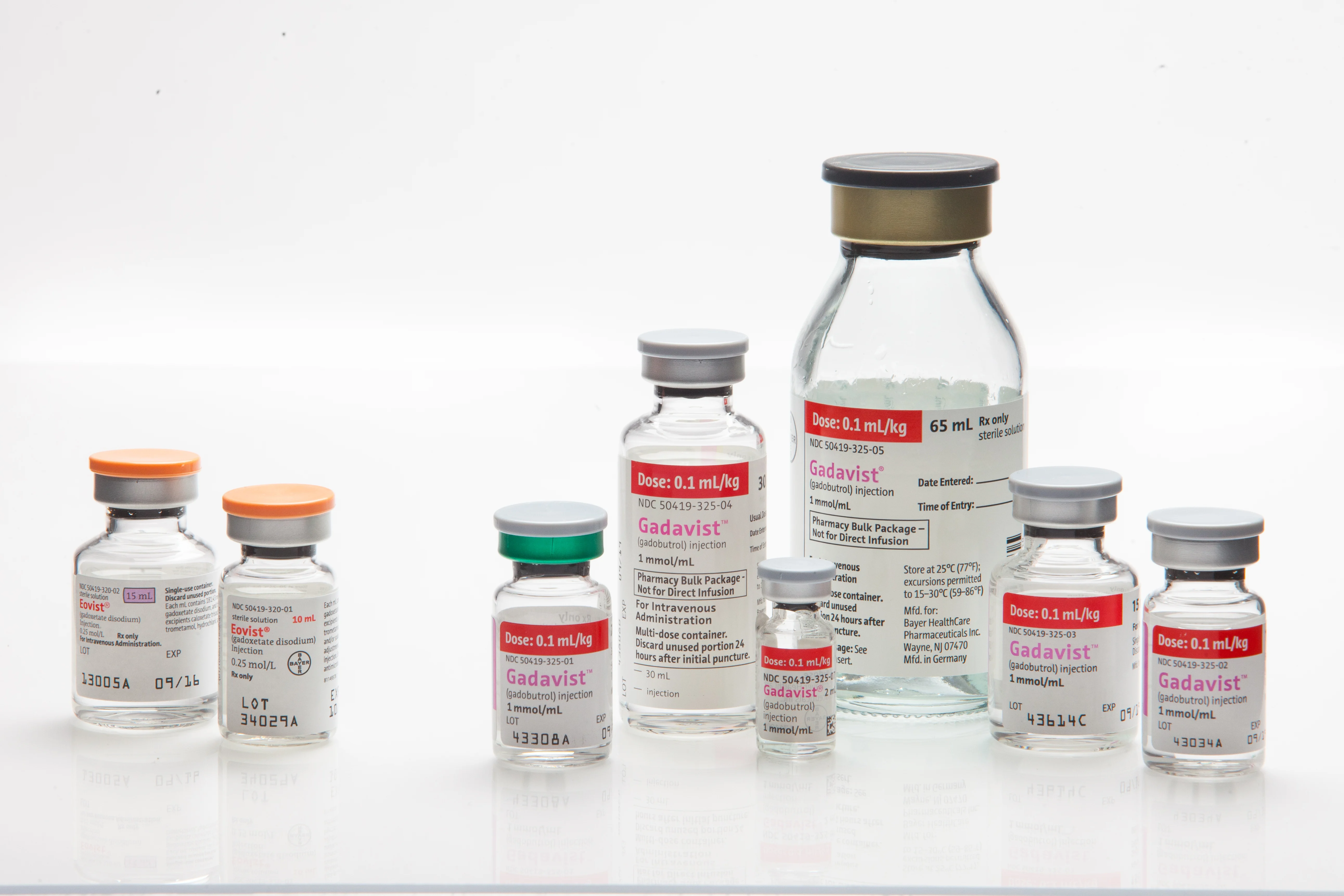
Navigating Anaphylaxis Risks in Contrast Media: Insights from Recent Research
Explore a recent study examining the appropriateness of primary responses to anaphylaxis triggered by contrast agents. This retrospective analysis covers a substantial number of cases, highlighting the rapid onset of anaphylaxis and the critical window for intervention. While most cases received adrenaline promptly, the study emphasizes the need for comprehensive time records to enhance patient safety.

Tether Supervision
Contrast Reactions and Exams

As the use of contrast agents has become indispensable, enabling radiologists to delve deeper into the complexities of the human body. However, with innovation comes responsibility, and a recent study sheds light on a critical aspect of this responsibility – the management of anaphylaxis triggered by iodinated contrast media (ICM) or gadolinium-based contrast agents (GBCA).
The Study in Focus
Published in the Journal of the Japanese Journal of Radiology in September 2023, this research, led by Yasuhiro Fukushima, Takayuki Suto, Hiromi Hirasawa, and Yoshito Tsushima, aimed to scrutinize the appropriateness of primary responses to anaphylaxis arising from these contrast agents. The study encompassed a retrospective analysis of patients who received intravenous contrast agents at their hospital between April 2016 and September 2021.
Key Findings
Among the staggering 76,555 ICM administrations and 30,731 GBCA administrations, the incidence of anaphylaxis was relatively low, occurring in just 0.05% of cases. What's striking is the rapid onset of anaphylaxis in these instances, with 98.0% of cases experiencing it within 30 minutes after administration. The timing of onset exhibited a wide distribution, emphasizing the need for vigilance and readiness at all times.
In terms of response, intramuscular adrenaline (epinephrine) administration played a crucial role. Impressively, it was administered in 87.8% of cases, with 75.5% of these instances witnessing adrenaline delivery within a mere five minutes of the onset. However, what gives pause is that only 49.0% of cases possessed time records documenting both the onset and the administration of adrenaline.
Implications and Takeaways
This study underscores the importance of swift and appropriate primary responses to anaphylaxis induced by contrast agents. The findings highlight the critical window of the first 30 minutes after administration when anaphylactic reactions are most likely to occur. While the majority of cases received adrenaline promptly, the lack of comprehensive time records emphasizes the need for meticulous documentation in patients' charts.
As professionals in the medical field, it's imperative that we remain vigilant and well-prepared to address rare but potentially life-threatening scenarios like anaphylaxis. This study serves as a reminder of the significance of precise record-keeping and the need for standardized protocols to ensure the safety and well-being of our patients.
In an era of advancing medical technologies, let's not forget that meticulous care, timely responses, and accurate documentation continue to be the cornerstones of exceptional patient care.
Key Facts from the Study
Among 100,000+ administrations, anaphylaxis occurred in just 0.05% of cases
In 98.0% of cases, anaphylaxis onset was within 30 minutes after administration
When anaphylaxis was identified, in 75.5% of cases, adrenaline was delivered within five minutes of symptom onset
Only in 49.0% of cases were time records kept for both onset and adrenaline administration